William-Adolphe Bouguereau
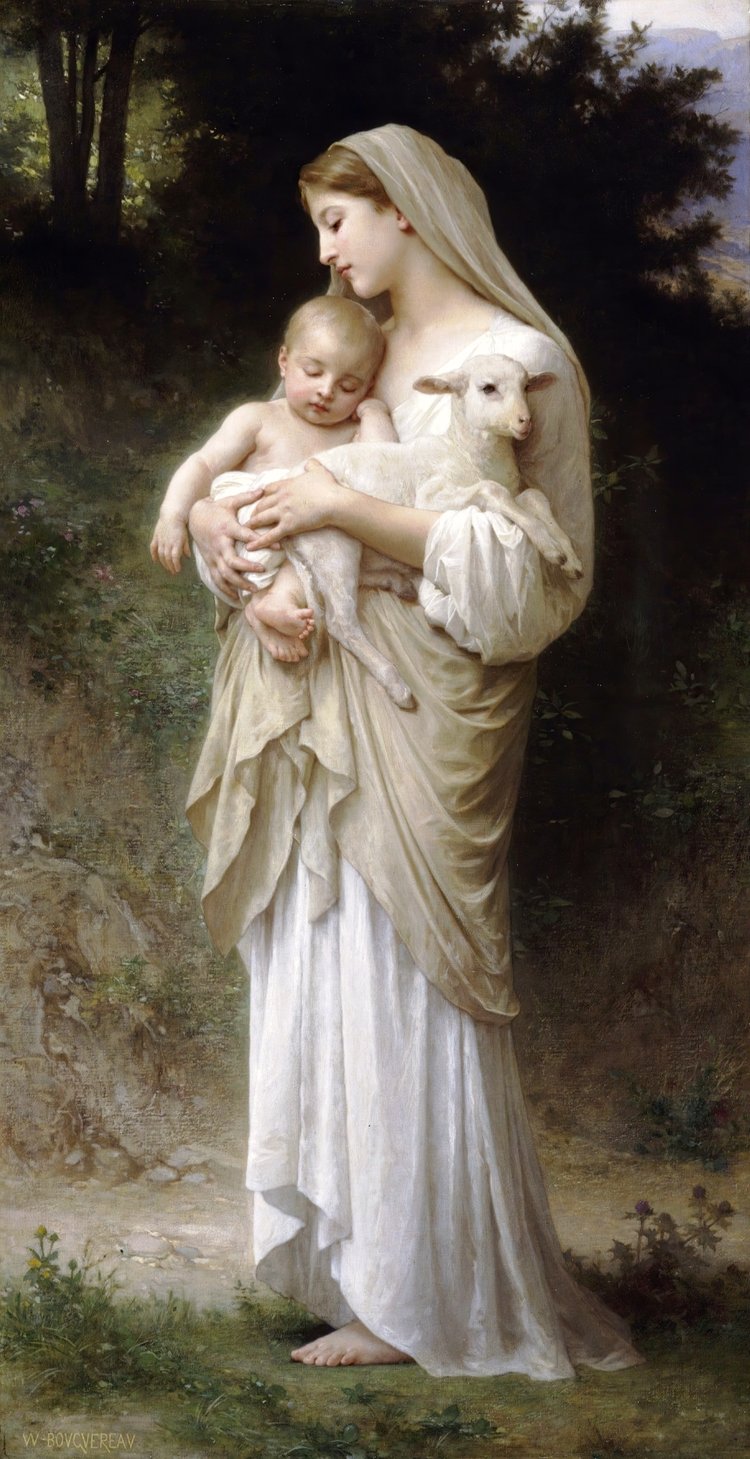
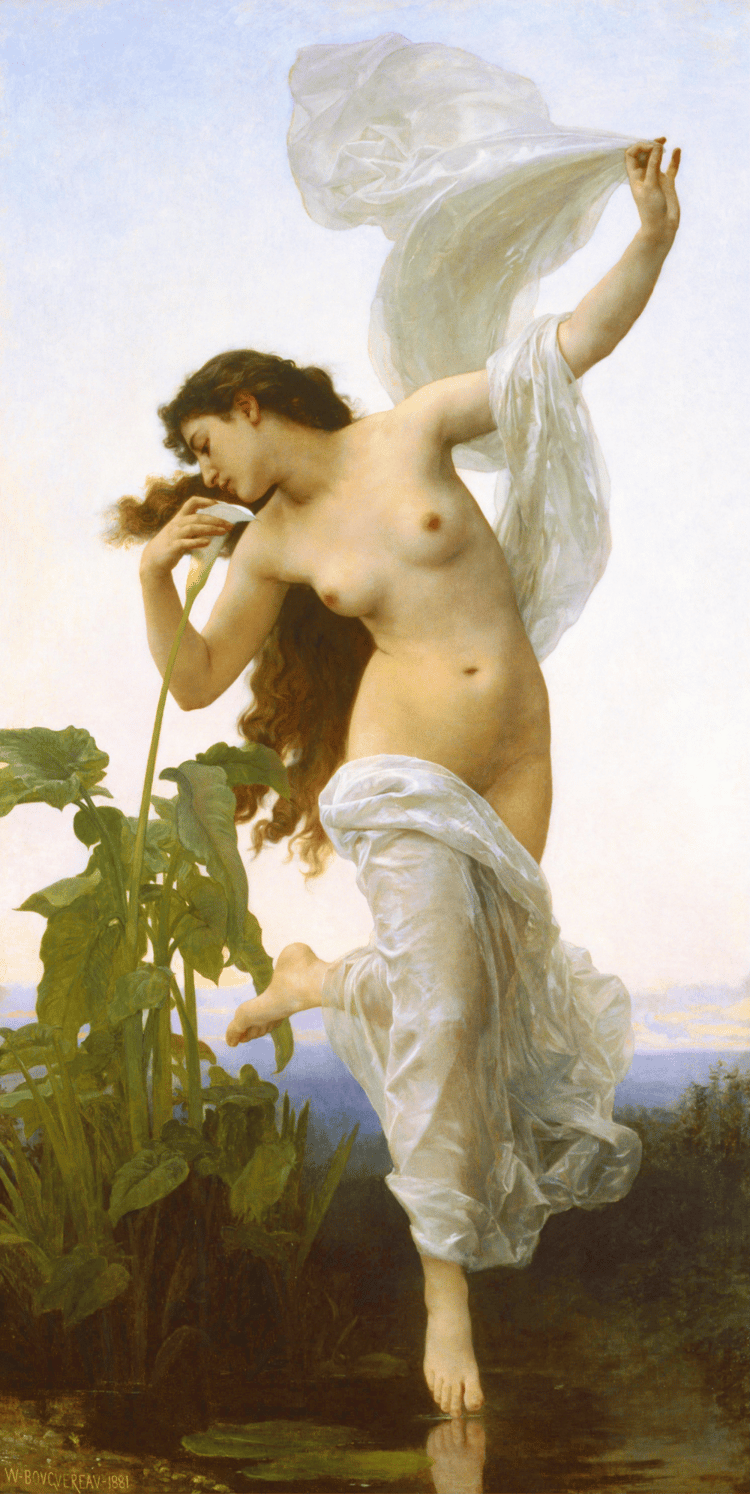
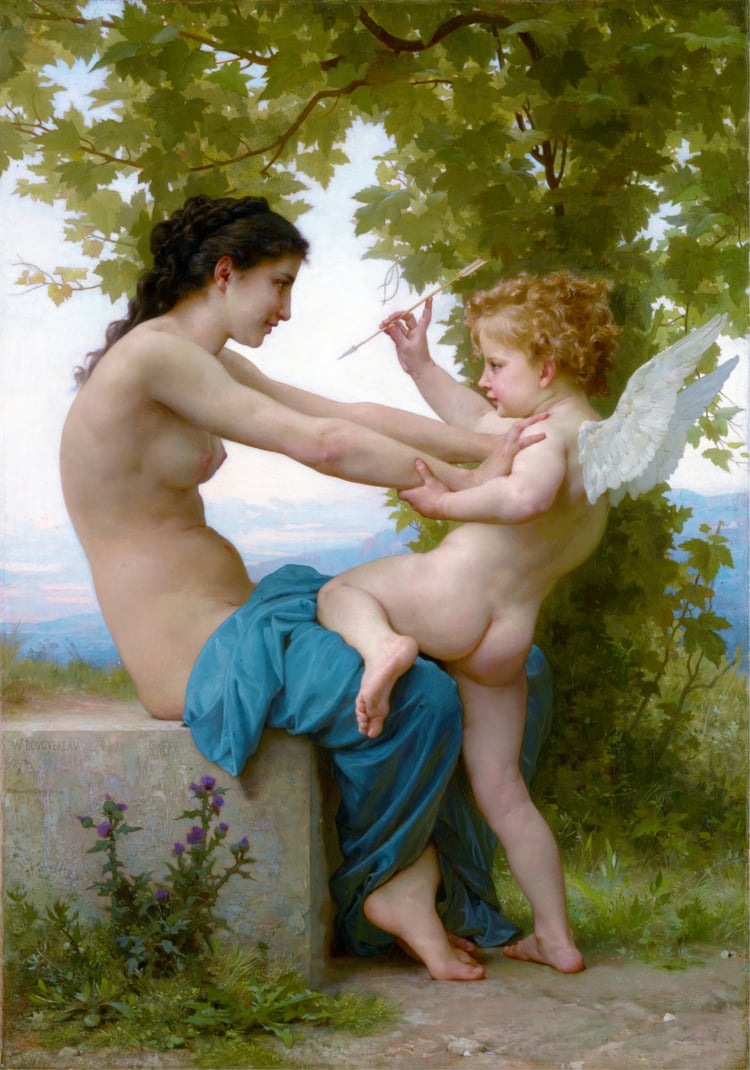
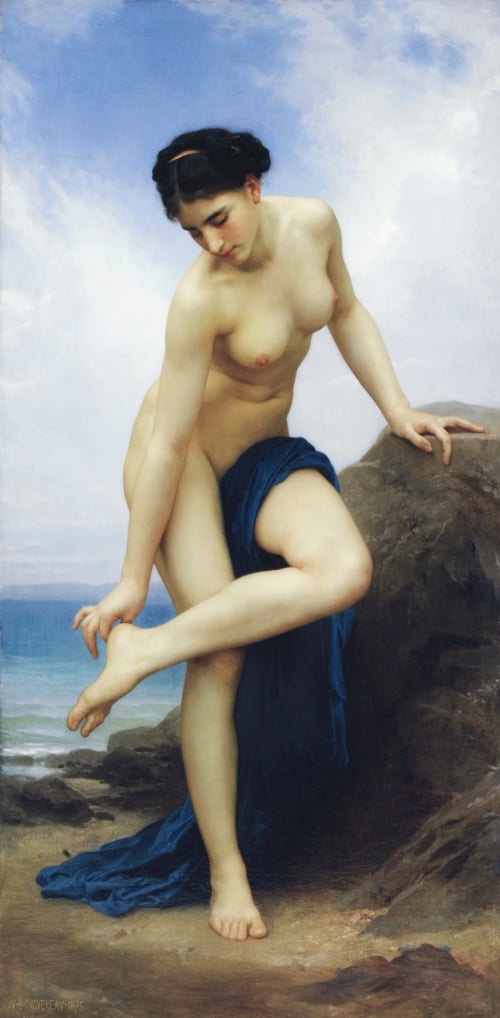
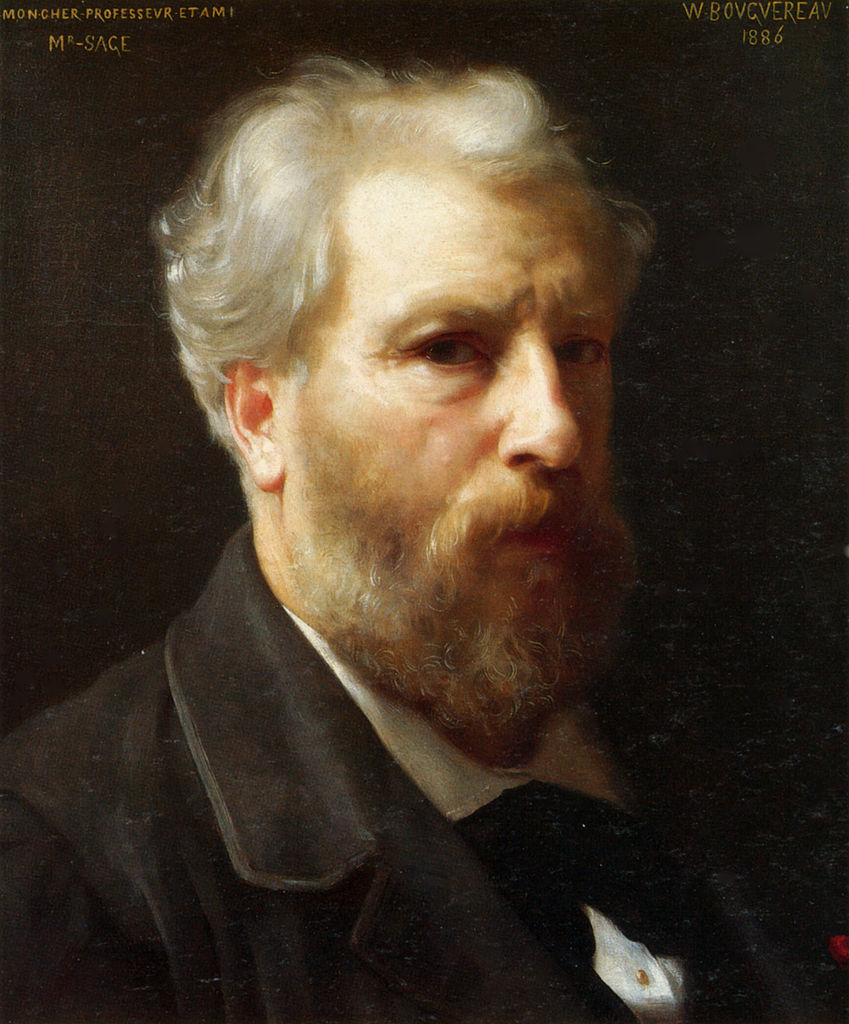
William-Adolphe Bouguereau (1825–1905) was a French painter and one of the most accomplished representatives of 19th-century academic art. Born in La Rochelle, France, he studied at the prestigious École des Beaux-Arts in Paris and won the renowned Prix de Rome in 1850, allowing him to further develop his artistic skills in Italy.
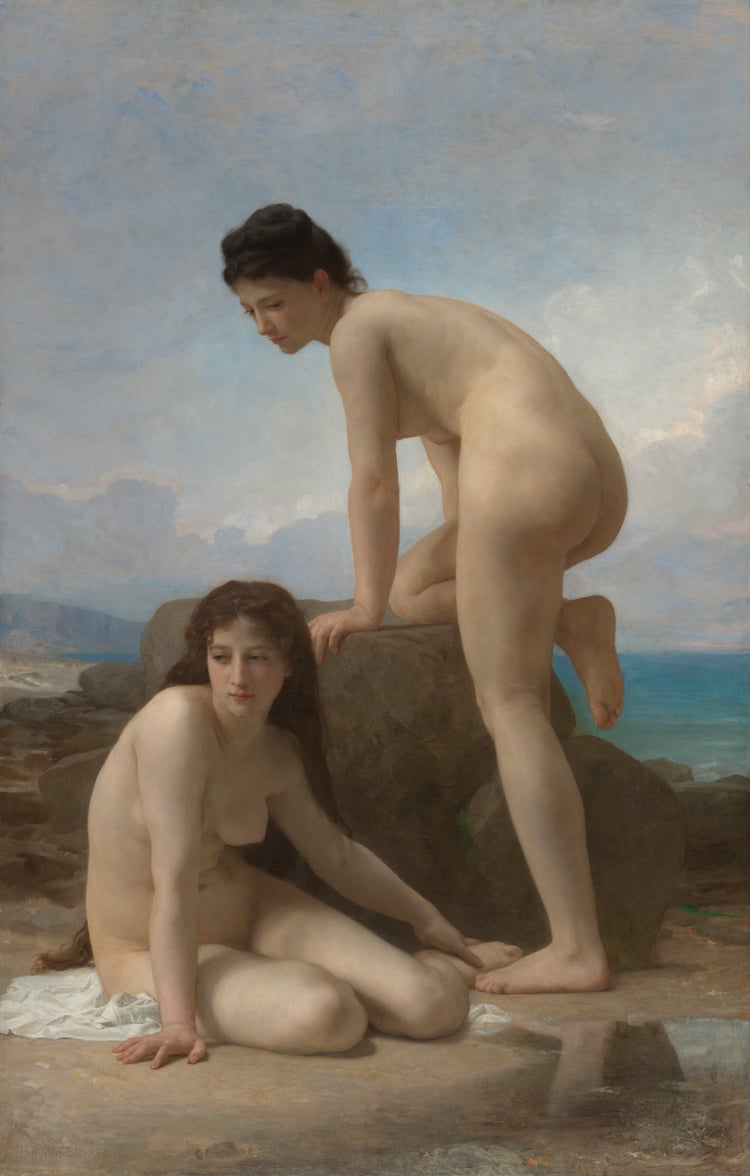
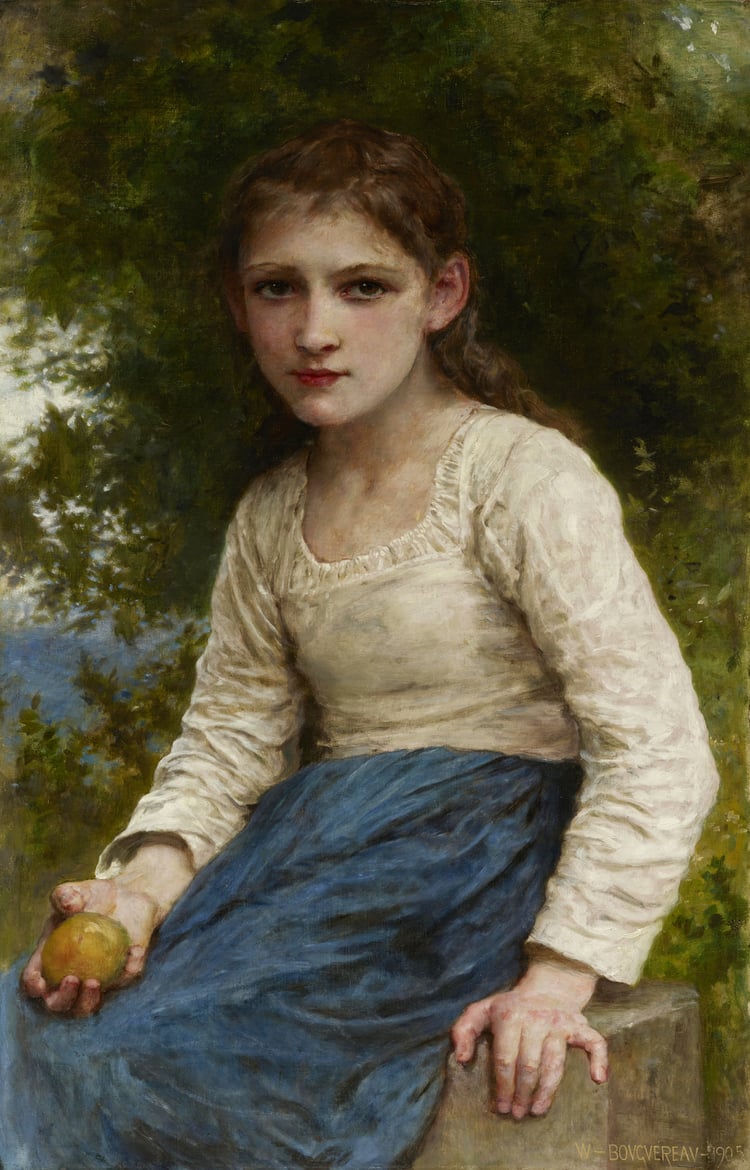
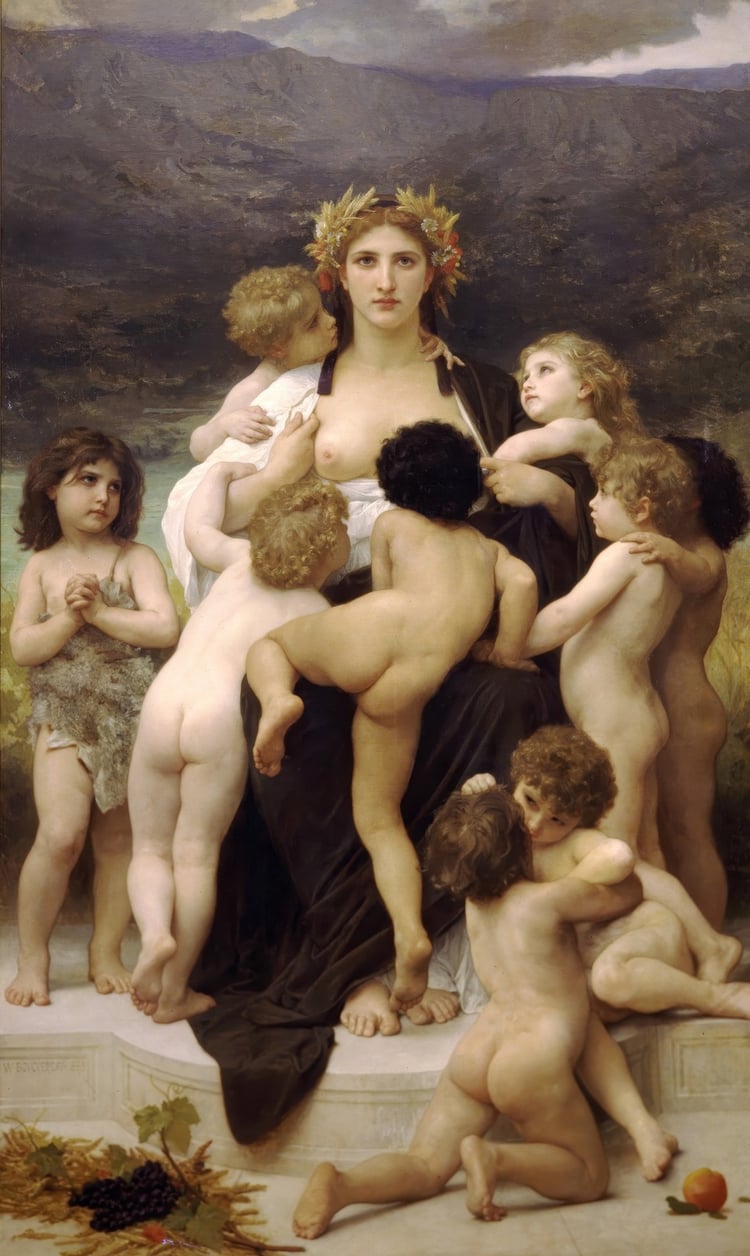
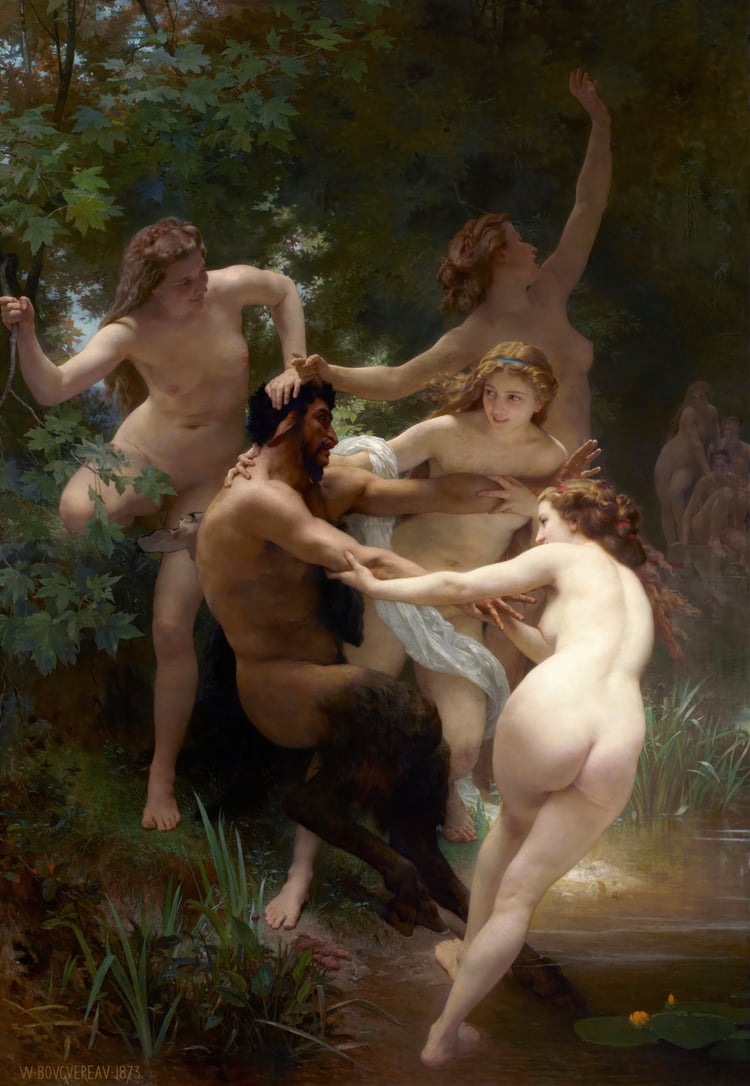
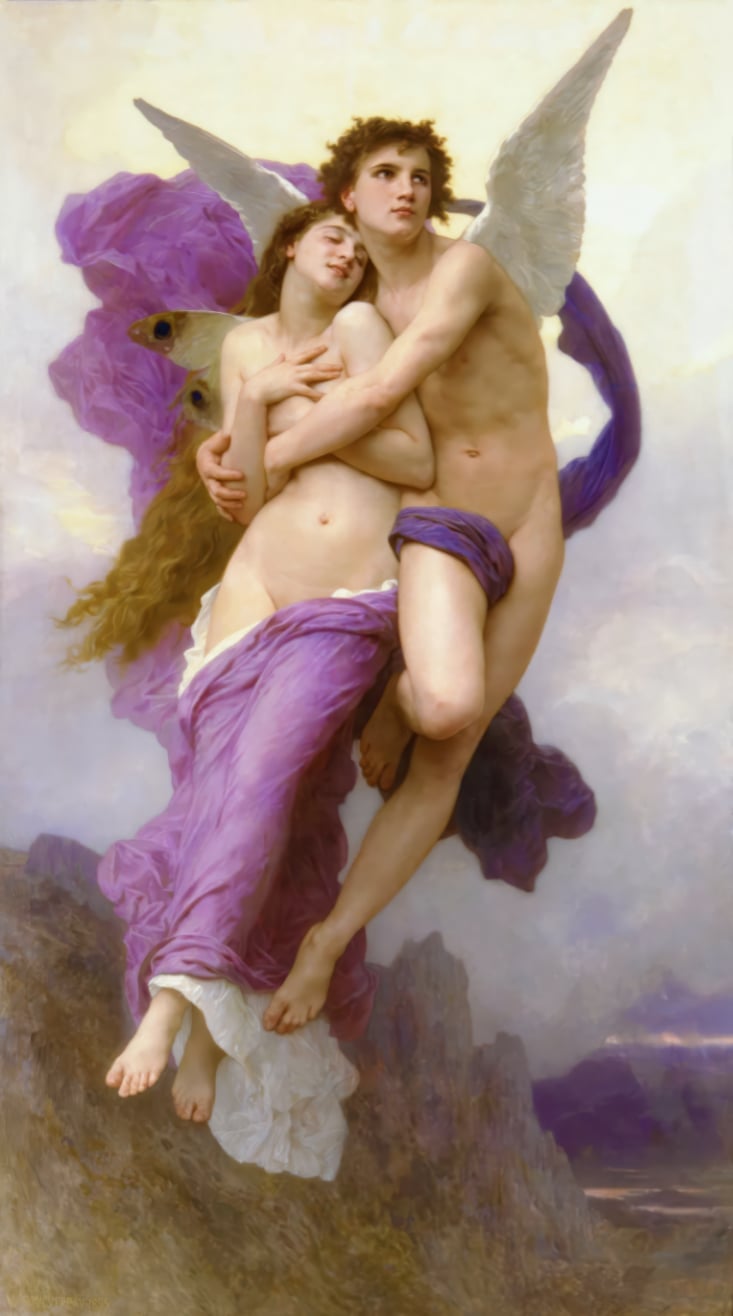
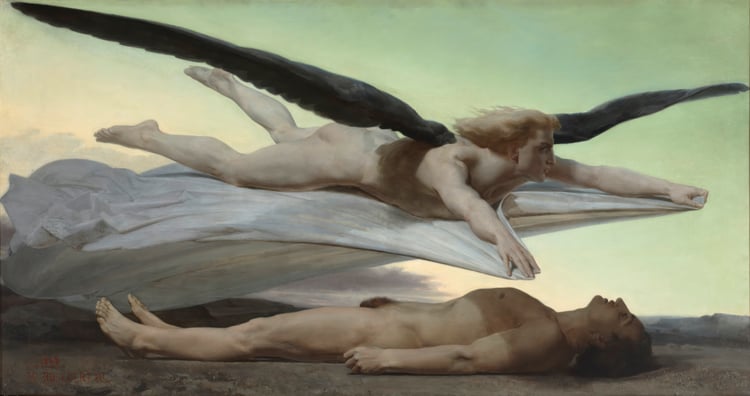
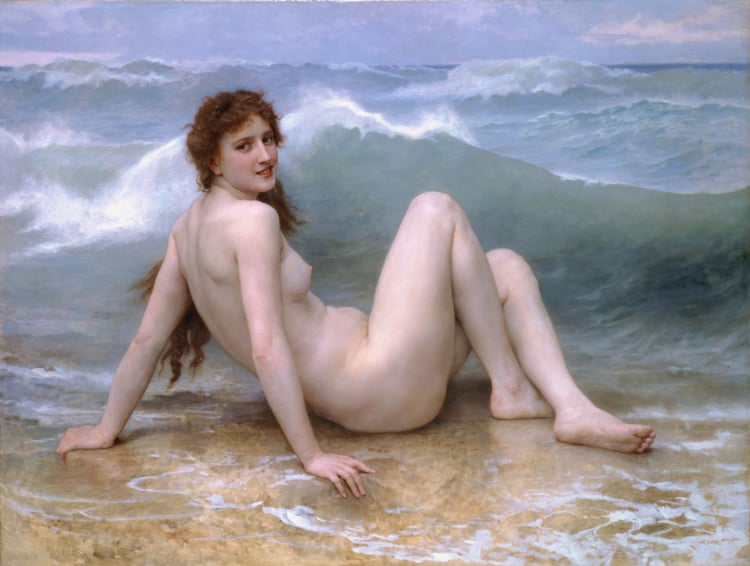
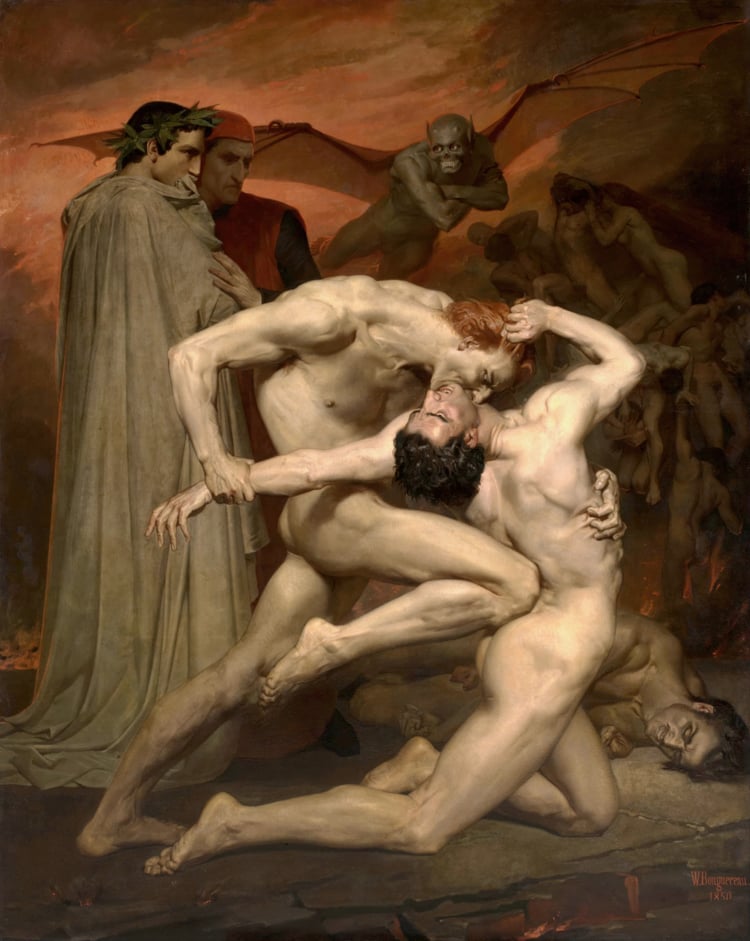
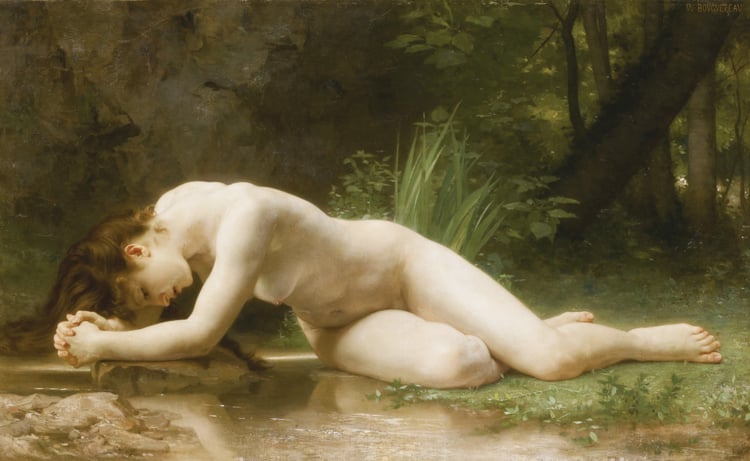
Bouguereau became celebrated for his exceptional technical mastery, particularly his ability to depict the human figure with remarkable anatomical precision and lifelike beauty. His paintings are characterized by smooth brushwork, delicate colors, balanced compositions, and an almost flawless rendering of skin, fabric, and natural light.
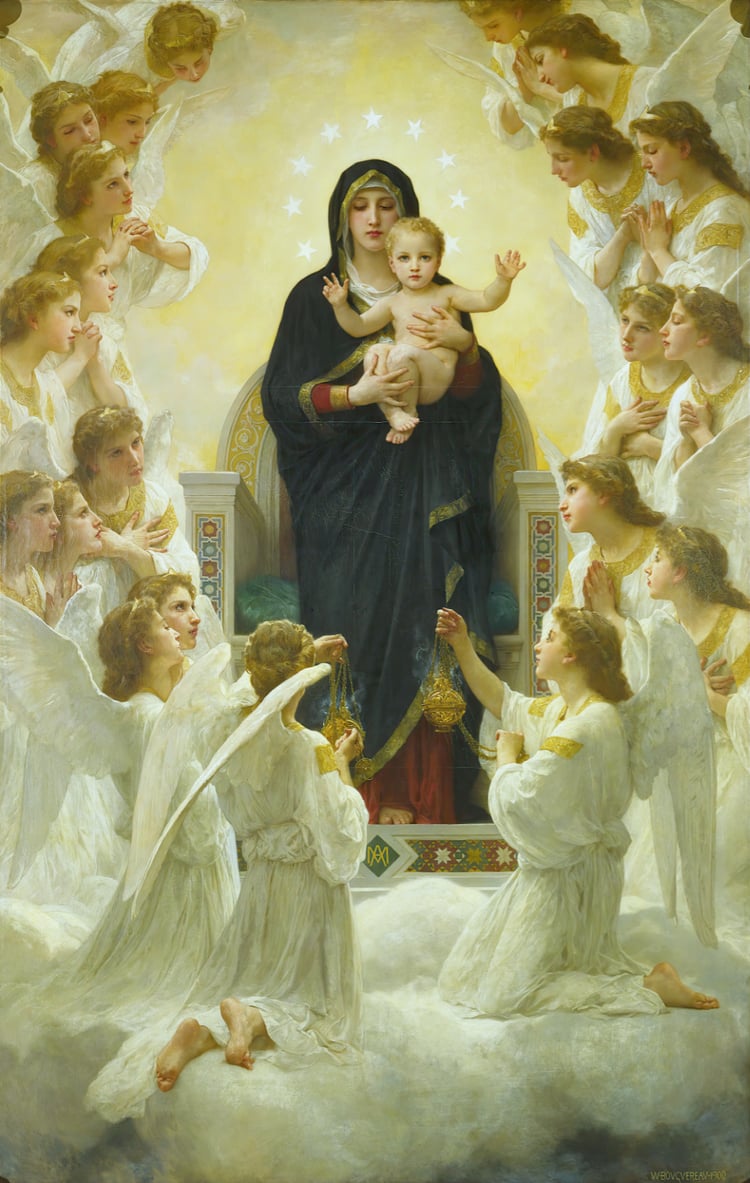
His artistic subjects frequently included classical mythology, religious themes, allegorical figures, and idealized scenes of rural life. He was especially admired for his sensitive portrayals of women and children, often emphasizing innocence, tenderness, and emotional expression. His religious paintings combined traditional Christian imagery with graceful compositions and a profound sense of spirituality.
Unlike the emerging Impressionists, Bouguereau remained committed to classical artistic principles and the traditions of the French Academy. His highly polished technique and idealized representations reflected his belief in beauty, harmony, and artistic perfection.
During his lifetime, Bouguereau enjoyed enormous international success, particularly among wealthy collectors in Europe and the United States. He was also an influential teacher and supported greater opportunities for women in artistic education.
Although his reputation declined with the rise of modern art, Bouguereau experienced a significant revival of interest during the late 20th century. Today, he is widely admired for his extraordinary craftsmanship, technical brilliance, and timeless representations of classical beauty.