Thomas Cole
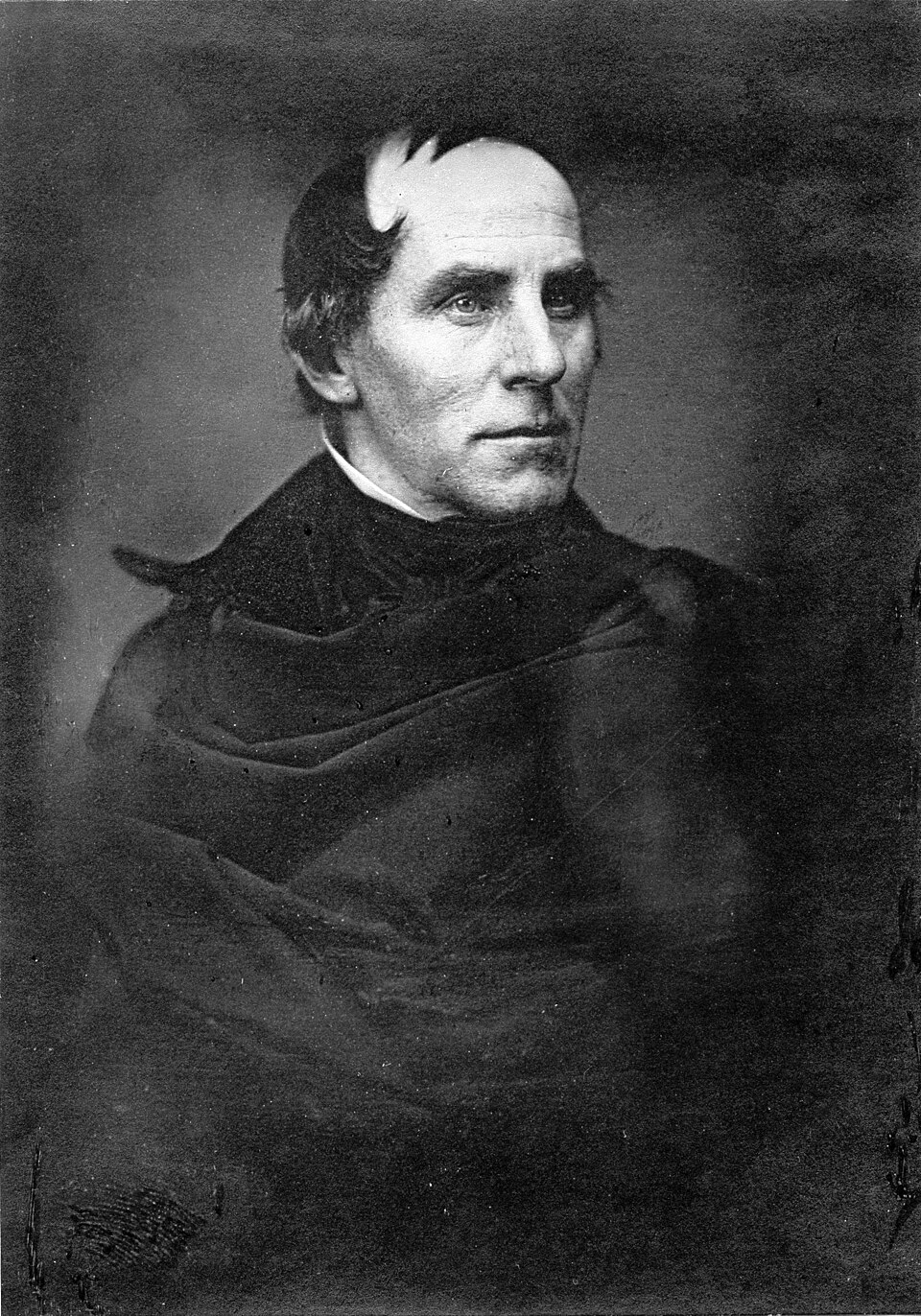
Thomas Cole (1801–1848) was an English-born American painter and the founder of the Hudson River School, one of the most influential artistic movements in 19th-century American landscape painting. Born in Bolton, Lancashire, England, he emigrated to the United States with his family in 1818. Largely self-taught, Cole developed a deep fascination with the American wilderness, particularly the dramatic landscapes of the Hudson River Valley and the Catskill Mountains.
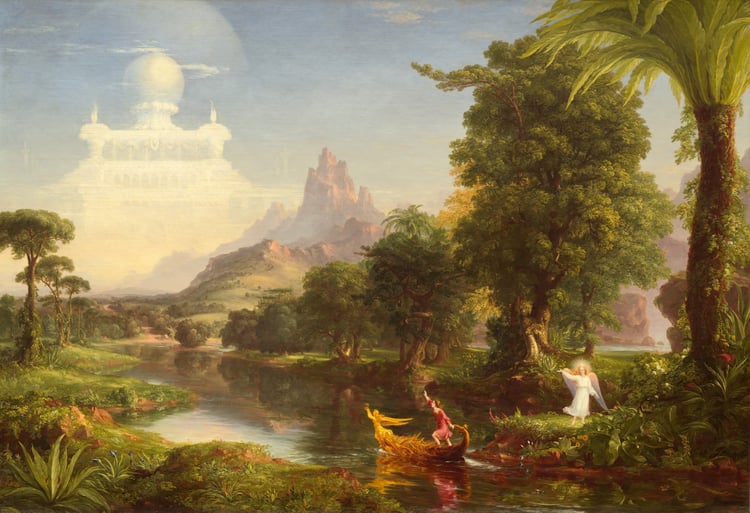
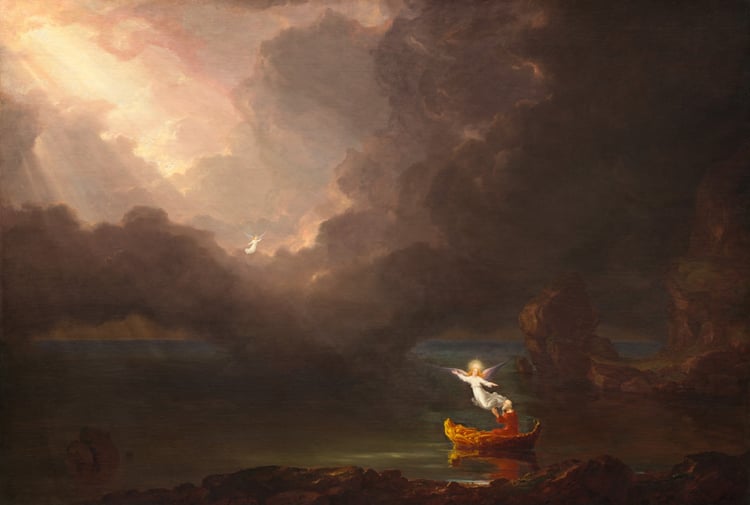
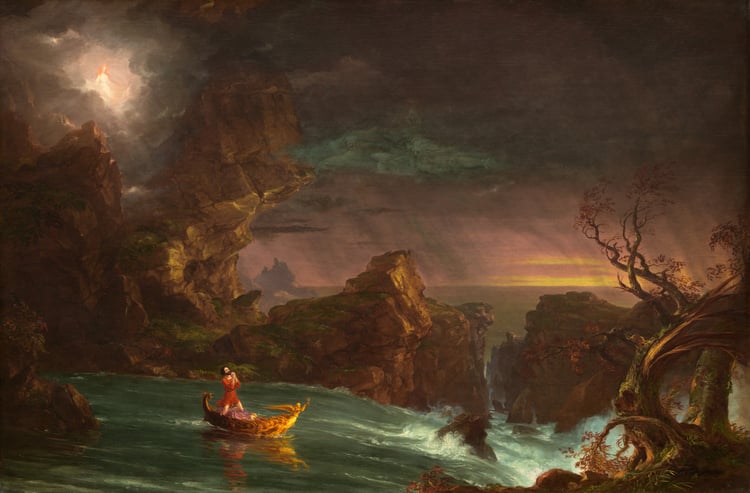
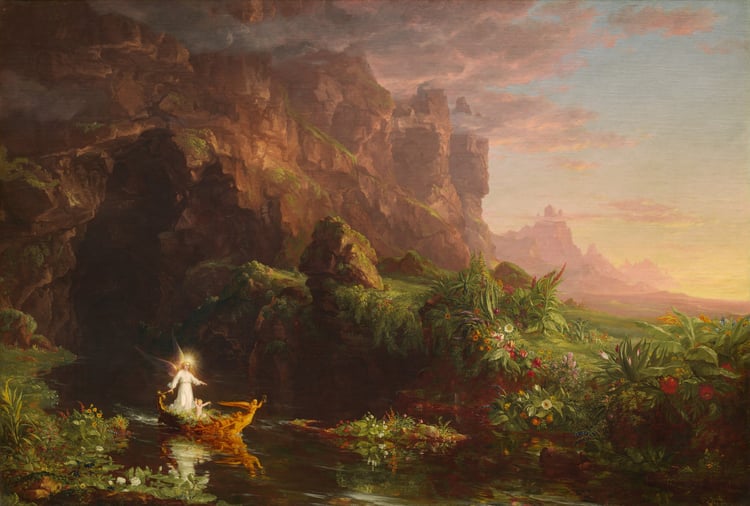
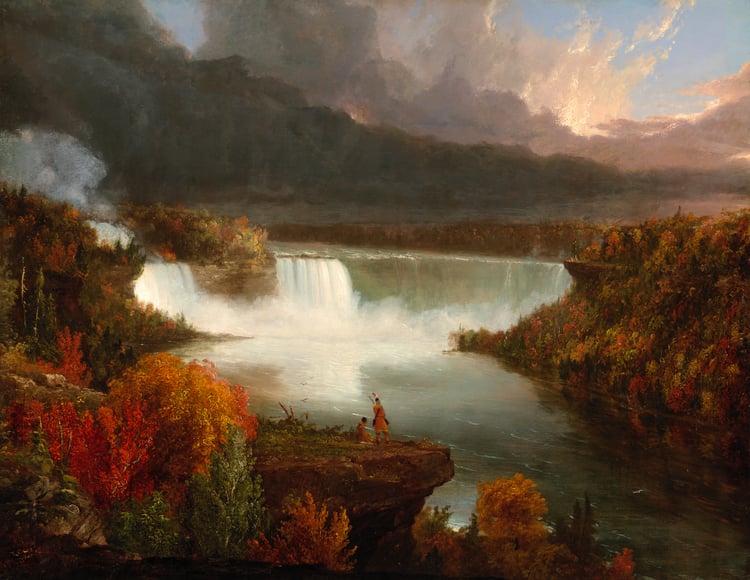
Cole became renowned for his romantic and idealized depictions of nature, combining detailed observation with powerful symbolism and emotional depth. His paintings frequently feature majestic mountains, dense forests, winding rivers, and dramatic skies, emphasizing the beauty and grandeur of the natural world.
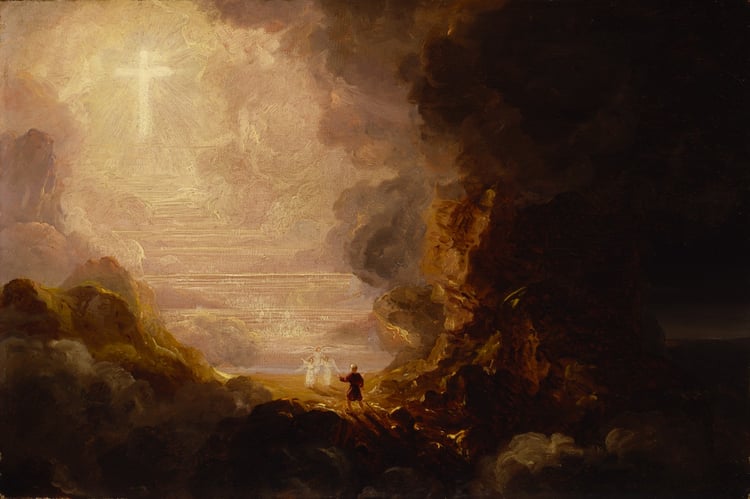
His artistic style was strongly influenced by European Romanticism, particularly the concept of the sublime, which celebrates the overwhelming power and mystery of nature. Through carefully composed landscapes, rich colors, and dramatic contrasts of light and shadow, Cole created scenes that conveyed both natural beauty and spiritual significance.
Beyond their visual appeal, his paintings often explored deeper philosophical and moral themes. Cole believed that nature reflected divine creation and frequently expressed concerns about industrialization, deforestation, and the destruction of America's wilderness. His work emphasized the importance of preserving natural landscapes at a time when the United States was experiencing rapid expansion and development.
Travels throughout Europe, particularly to England and Italy, further shaped his artistic vision, introducing him to classical landscapes and historical traditions. Nevertheless, the American wilderness remained his greatest source of inspiration.
Cole died in Catskill, New York, in 1848, leaving a profound legacy in American art. As the founding figure of the Hudson River School, he inspired generations of landscape painters, including Frederic Edwin Church and Asher B. Durand. Today, he is celebrated not only for his extraordinary artistic achievements but also for his pioneering appreciation of nature and its preservation.