John William Waterhouse
Biography of John William Waterhouse:
John William Waterhouse (1849-1917) was a British Pre-Raphaelite artist known for his romantic and symbolist paintings. He was born on April 6, 1849, in Rome, where his parents were residing at the time. The family later returned to England, where Waterhouse studied at the Royal Academy of Arts in London. He was heavily influenced by the works of other Pre-Raphaelite artists, particularly Dante Gabriel Rossetti.
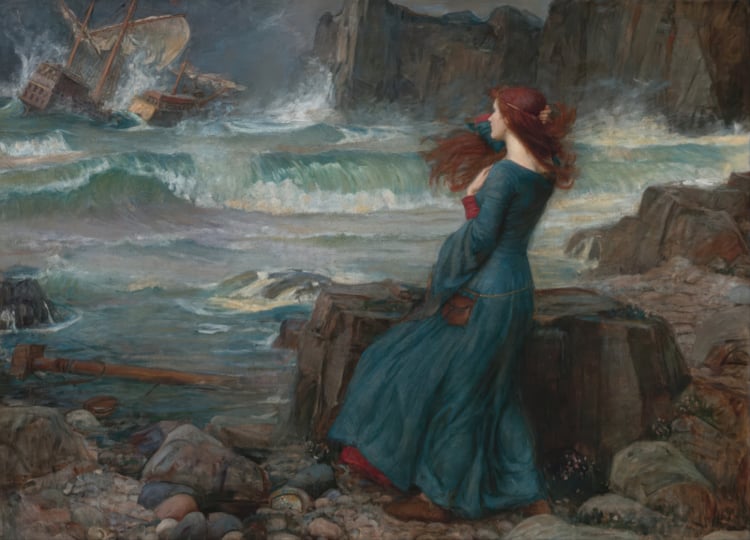
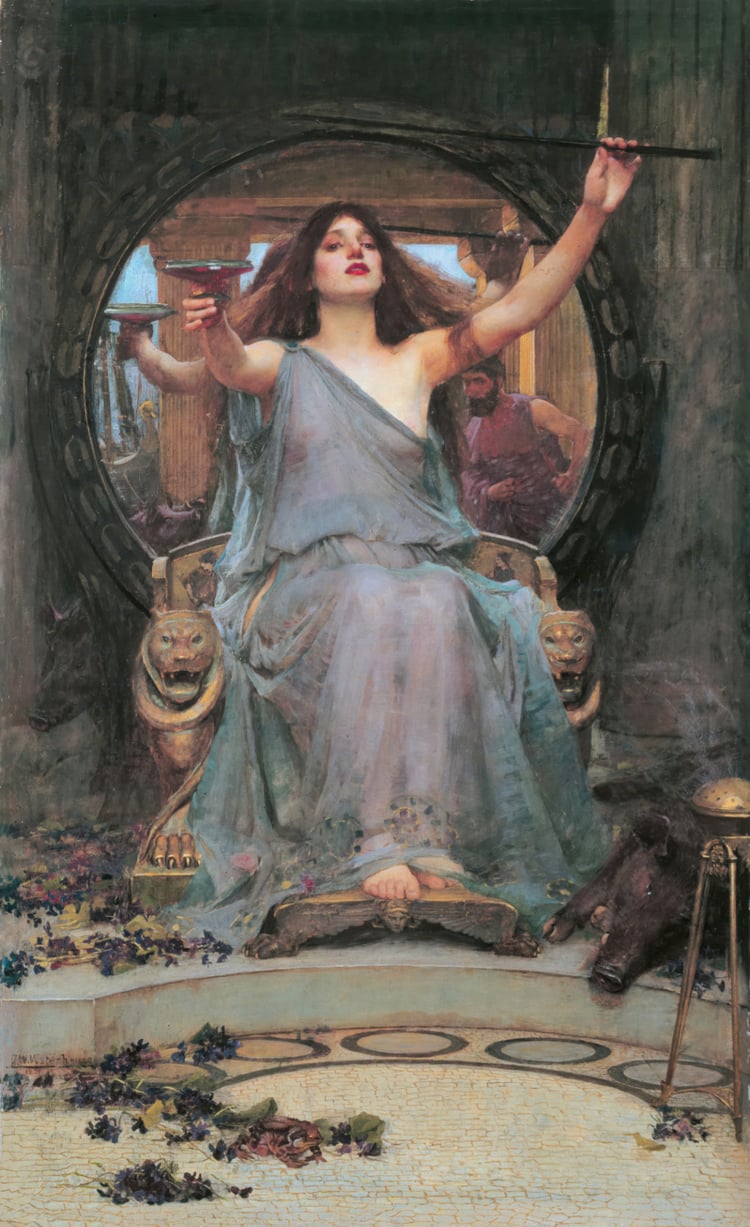
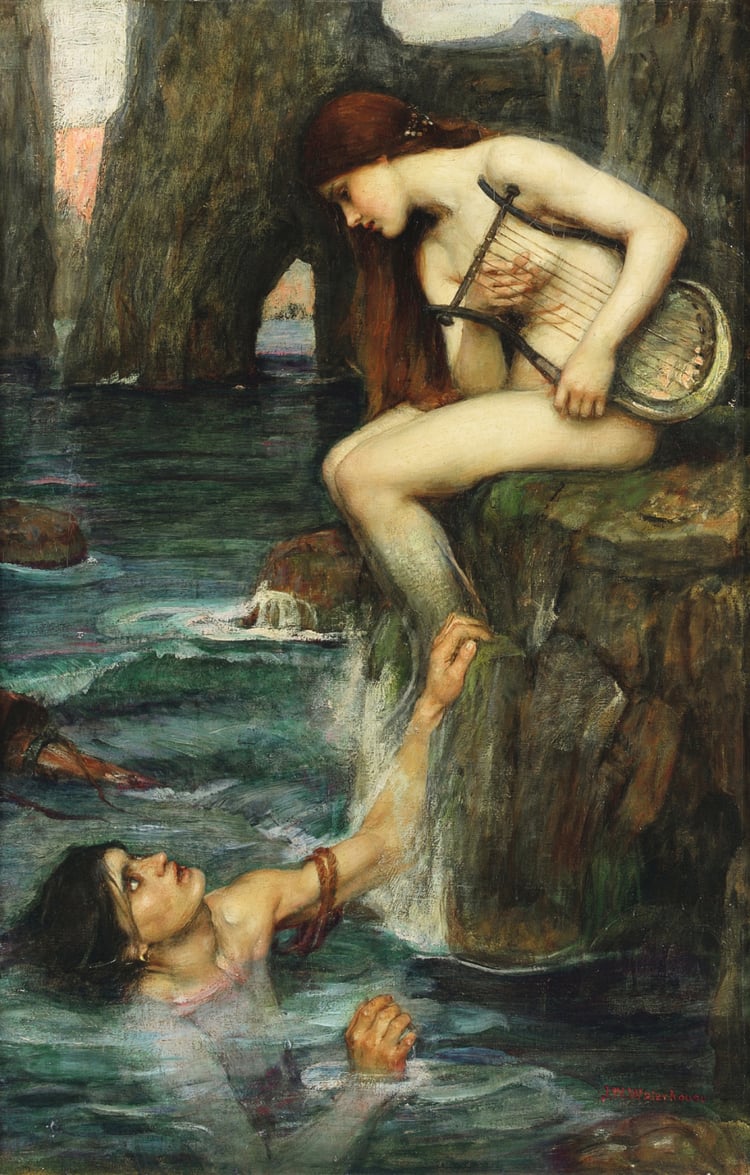
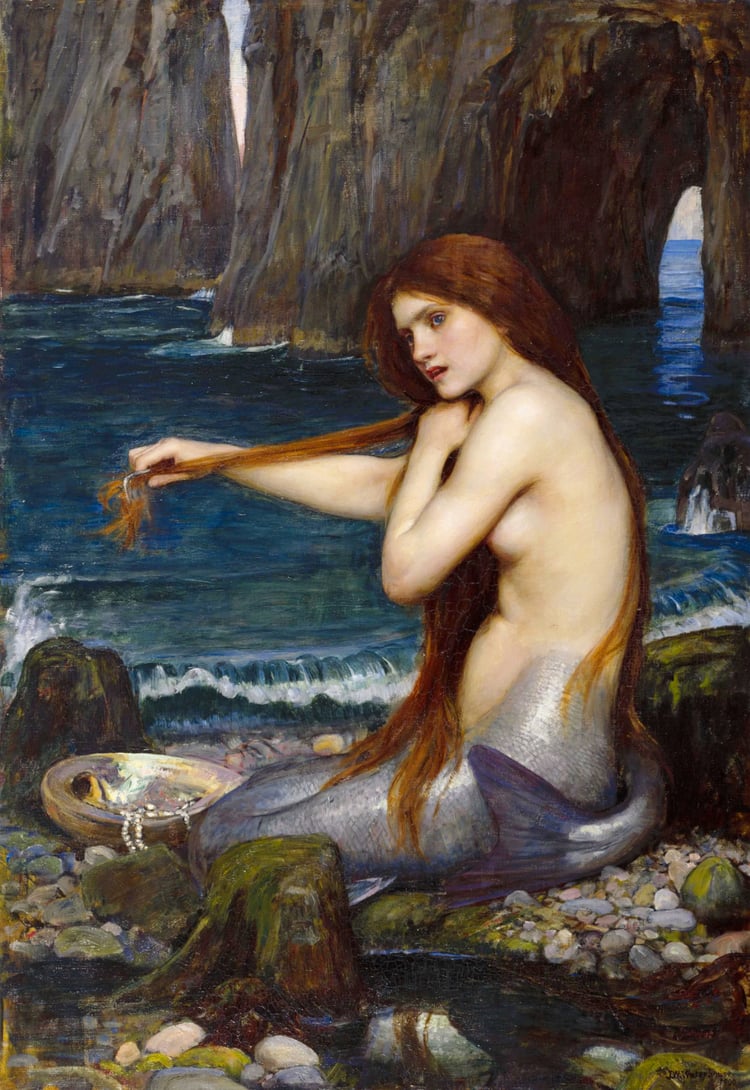
Waterhouse was a master of depicting mythological and literary scenes, often portraying figures from Greek mythology, Arthurian legend, and other classical texts. His style was characterized by a remarkable blend of realism, symbolism, and romanticism, using vivid colors and carefully crafted details to evoke emotional depth in his works.
Although Waterhouse received less attention during his lifetime than some of his contemporaries, he gained posthumous recognition for his unique and impressive paintings. He passed away on February 10, 1917, in London.
Key Works by John William Waterhouse:
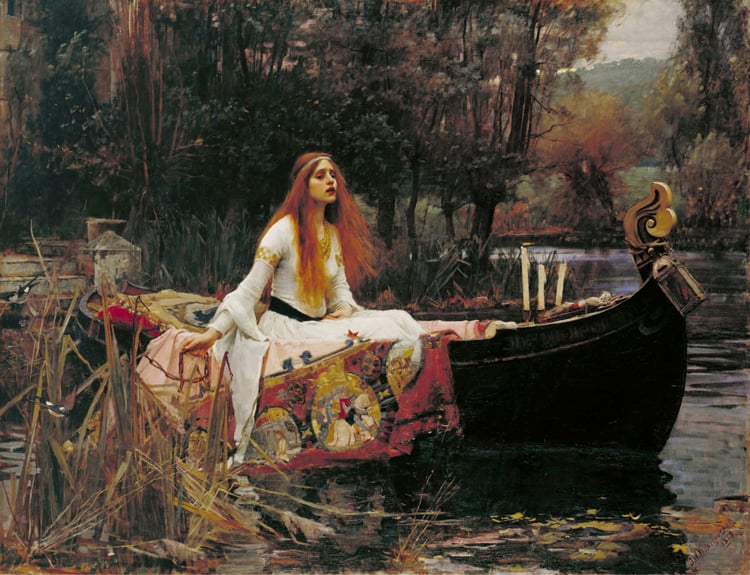
- "The Lady of Shalott" (1888): This painting, inspired by Alfred Tennyson's poem, depicts the tragic figure of the Lady of Shalott drifting in a boat on a river. It is one of Waterhouse's most famous works, symbolizing romantic longing and despair.
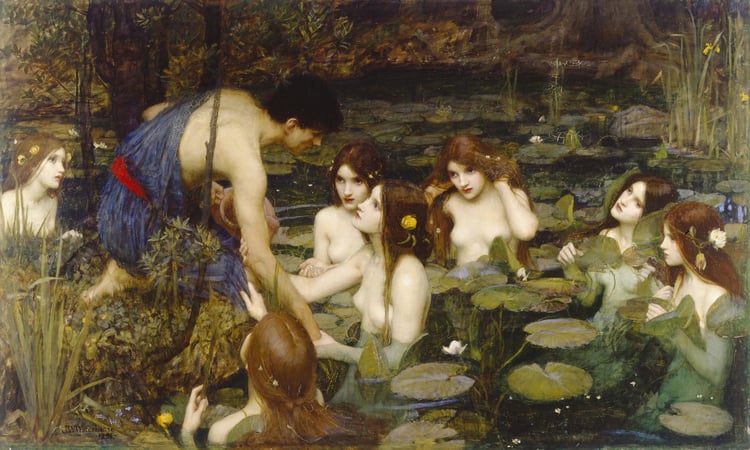
- "Hylas and the Nymphs" (1896): This painting shows the Greek figure Hylas being pulled into a pond by nymphs. It is an example of Waterhouse's ability to depict mythological scenes with grace and beauty.
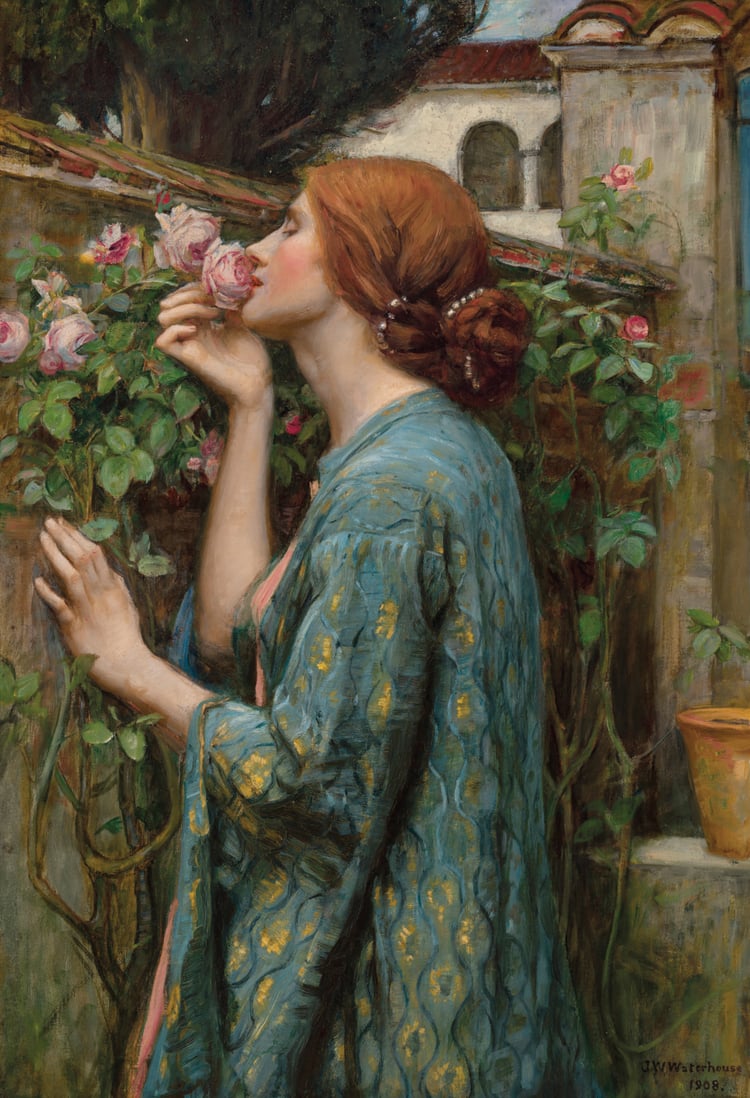
- "The Soul of the Rose" (1908): Also known as "My Sweet Rose," this painting depicts a young woman contemplating a rose. It embodies Waterhouse's typical blend of symbolism and romanticism, exuding a serene yet intense atmosphere.
- "The Lady of Shalott Looking at Lancelot" (1894): Another portrayal of the Lady of Shalott, this painting shows her gazing at Lancelot through a mirror. It is a poignant representation of unrequited love and longing.
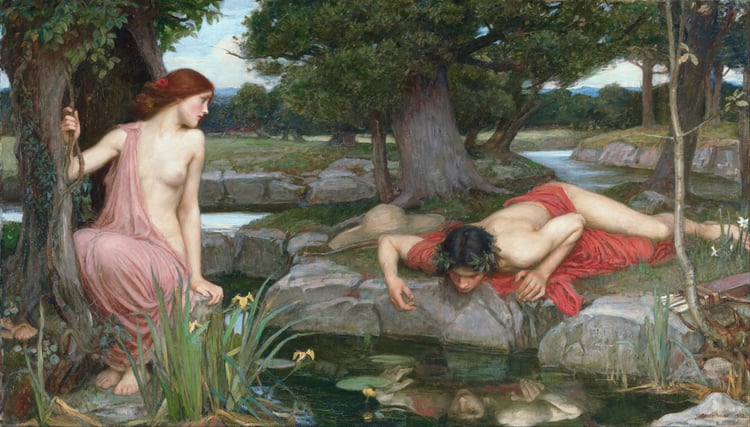
- "Echo and Narcissus" (1903): Based on Greek mythology, this painting depicts the tragic story of Echo and Narcissus. Waterhouse captures the emotional intensity of this tale with impressive depth and complexity.
These works are just a fraction of Waterhouse's extensive oeuvre, reflecting the diversity and depth of his artistic talent. His paintings continue to exert a strong appeal and inspire viewers around the world.