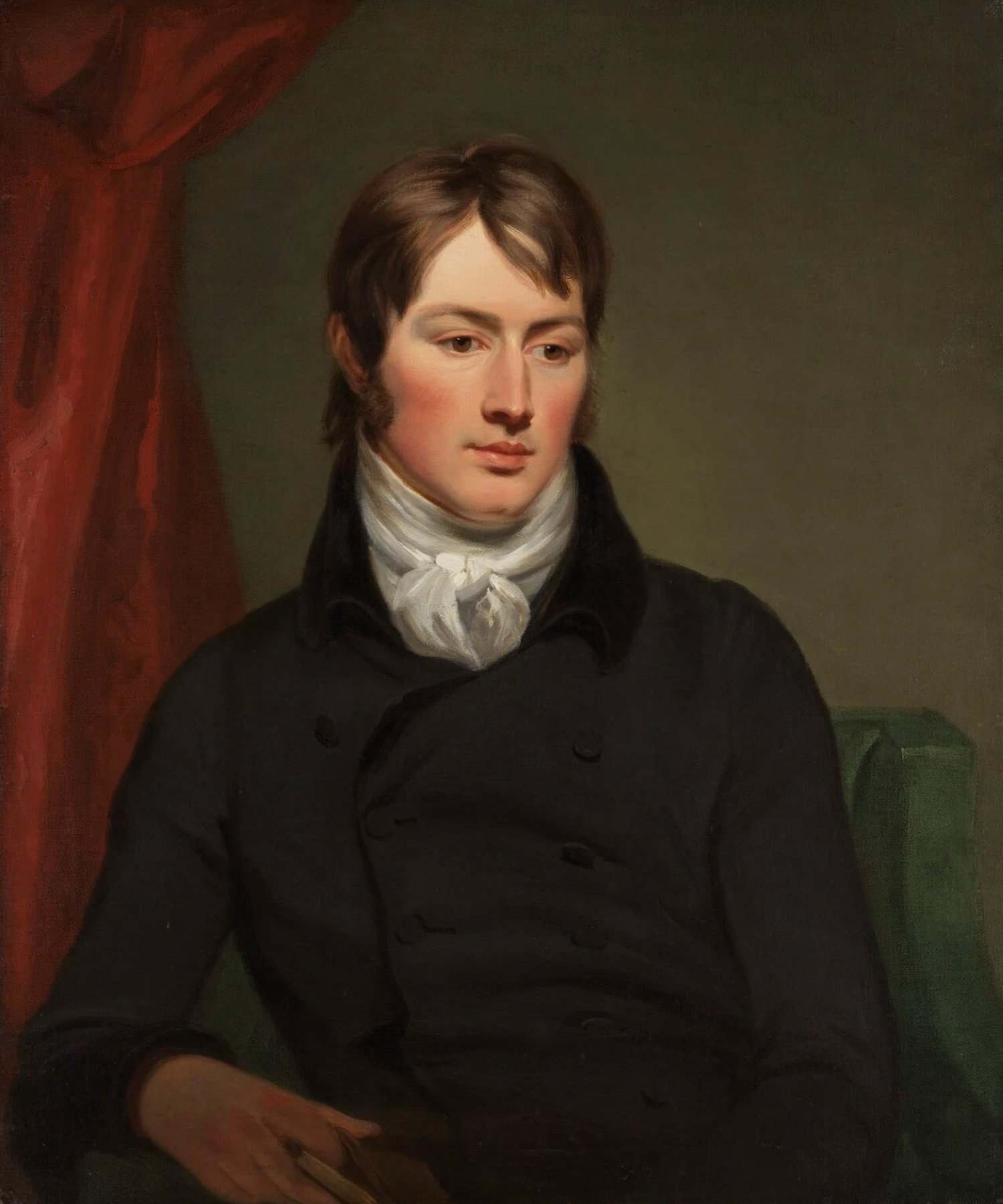
John Constable
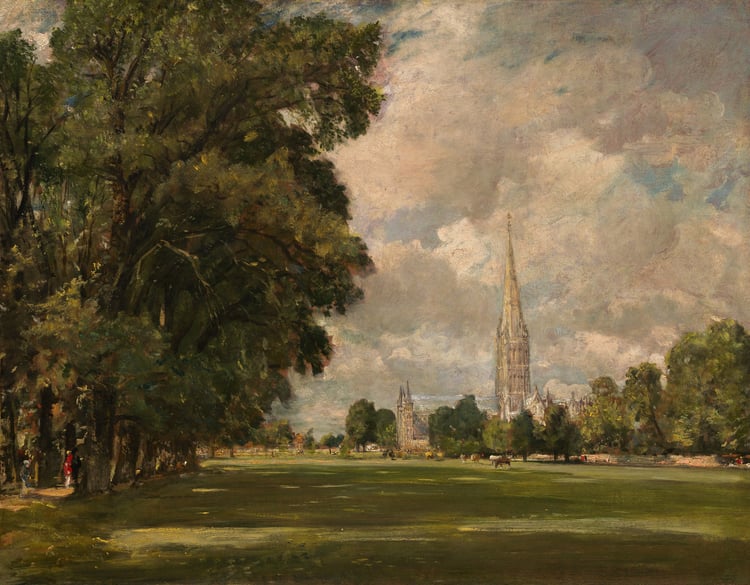
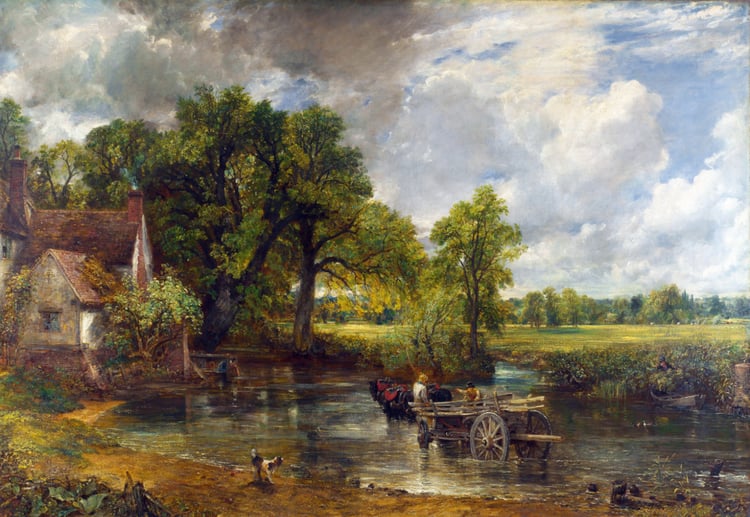
John Constable (1776–1837) was one of Britain's most celebrated landscape painters and a leading figure of the Romantic movement. Born in East Bergholt, Suffolk, England, he grew up surrounded by the countryside that would become his greatest source of artistic inspiration. The rivers, fields, mills, and villages of his native region remained central subjects throughout his career.
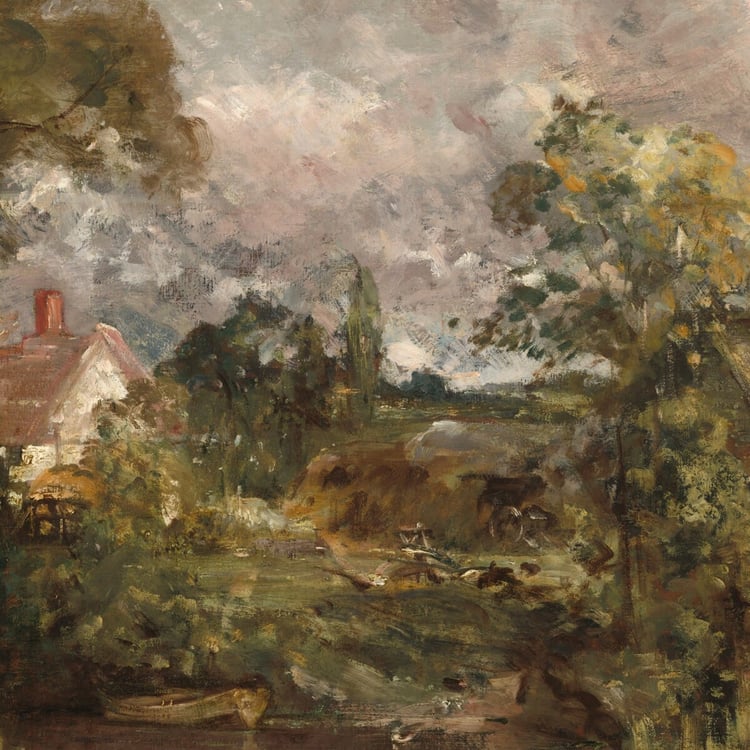
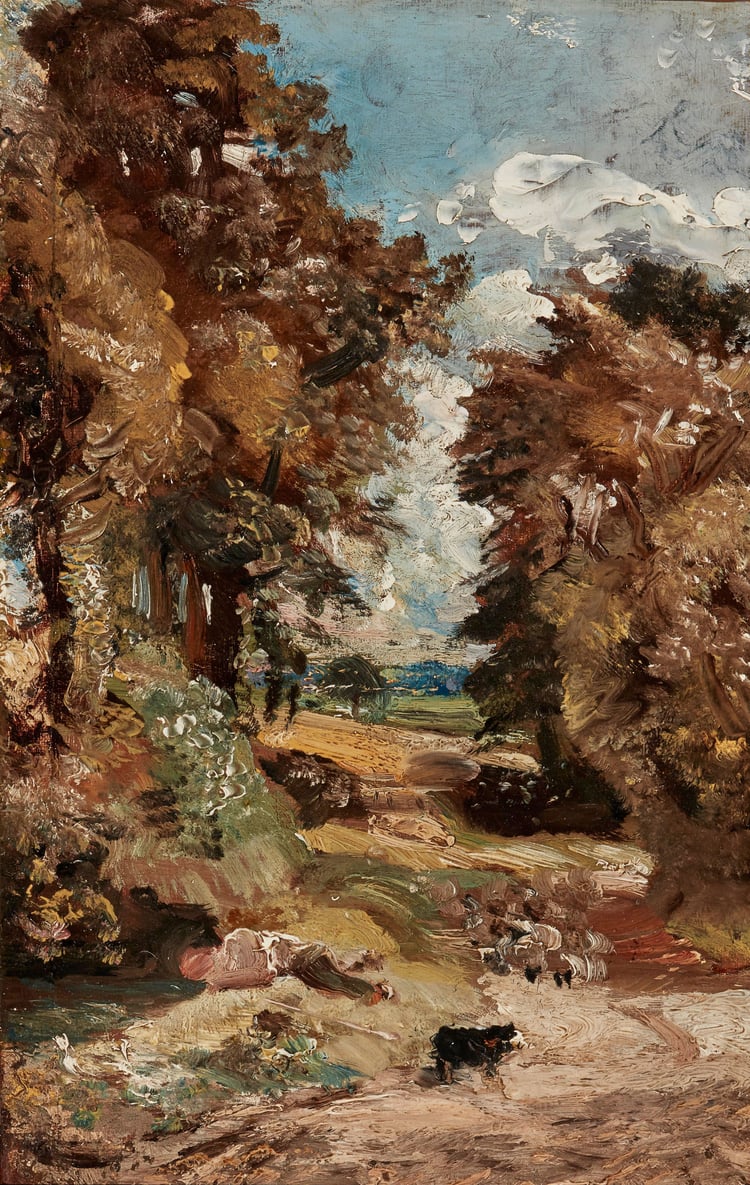
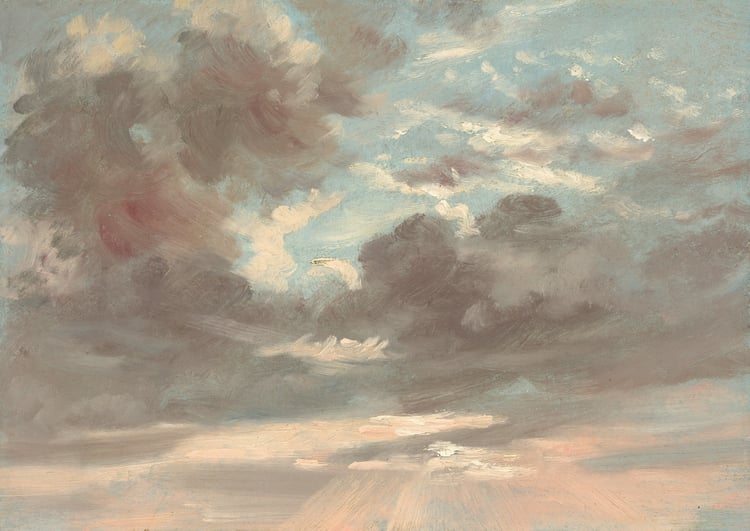
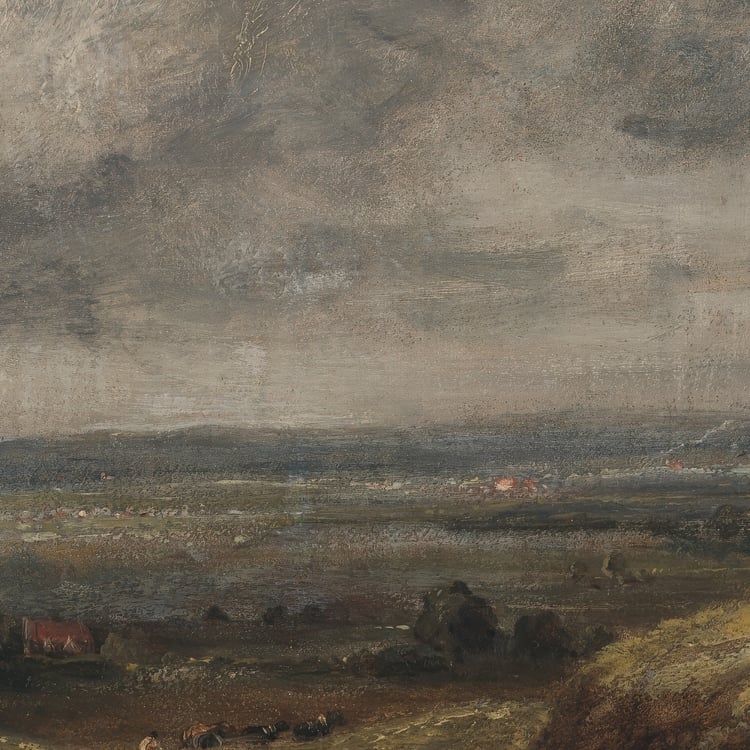
Constable became renowned for his remarkably naturalistic depictions of the English landscape. Unlike many contemporary painters who favored idealized or dramatic scenery, he sought to capture the authentic beauty of everyday rural life. His paintings are distinguished by their fresh colors, expressive brushwork, and extraordinary attention to changing weather conditions and atmospheric effects.
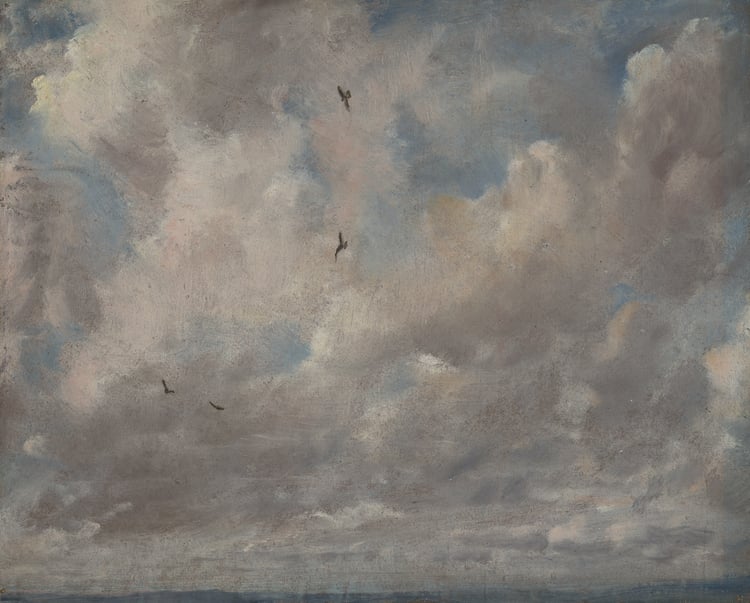
A defining characteristic of Constable's artistic approach was his dedication to direct observation. He frequently painted outdoors, studying clouds, sunlight, trees, and water with almost scientific precision. His innovative oil sketches allowed him to capture fleeting moments of light and movement, giving his landscapes an exceptional sense of immediacy and vitality.
Although deeply rooted in the English countryside, Constable's influence extended far beyond Britain. His expressive treatment of light and atmosphere inspired French painters, particularly artists associated with the Barbizon School, and contributed to developments that eventually led toward Impressionism.
Despite achieving international recognition, Constable experienced considerable professional challenges during his lifetime. He was elected a full member of the Royal Academy in 1829, relatively late in his career.
Today, Constable is remembered as a pioneer of naturalistic landscape painting whose remarkable sensitivity to nature transformed the artistic representation of the countryside and influenced generations of European artists.