Jean-Léon Gérôme
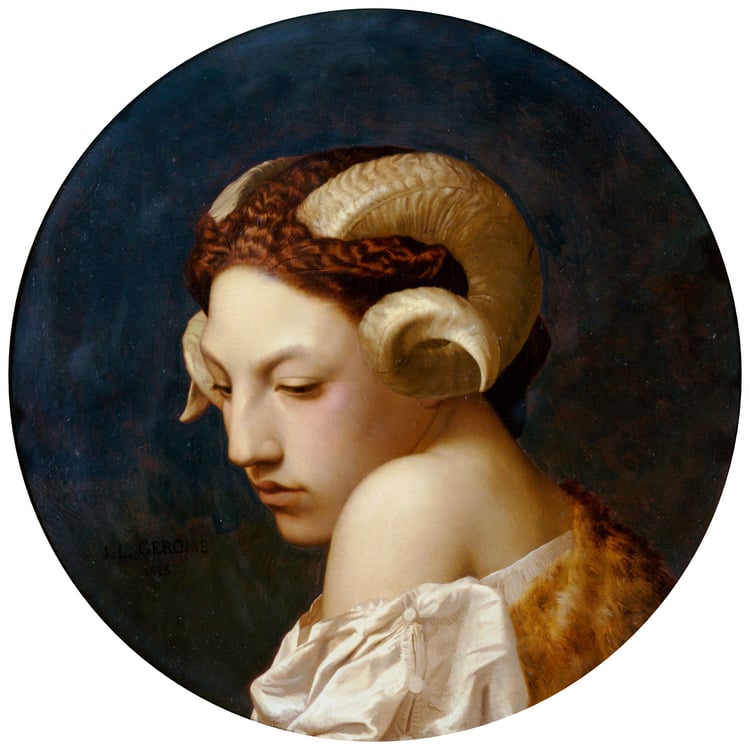
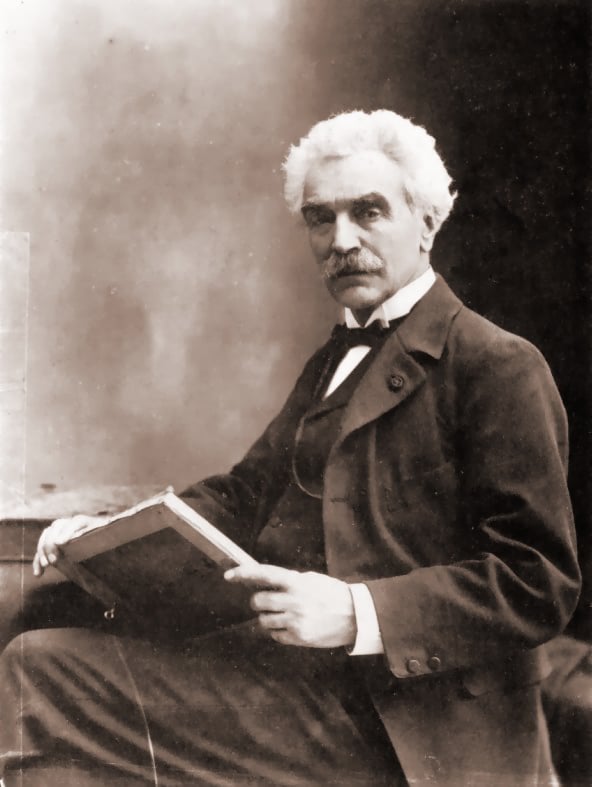
Jean-Léon Gérôme (1824–1904) was one of the most prominent French academic painters and sculptors of the 19th century. Born in Vesoul, France, he moved to Paris in 1840 and studied under Paul Delaroche, whose precise technique and interest in historical subjects strongly influenced his early work. Gérôme later became an influential professor at the École des Beaux-Arts in Paris, where he taught generations of artists.
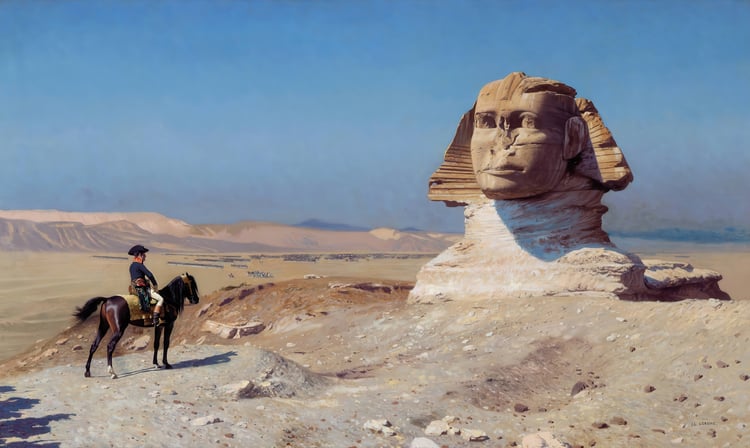
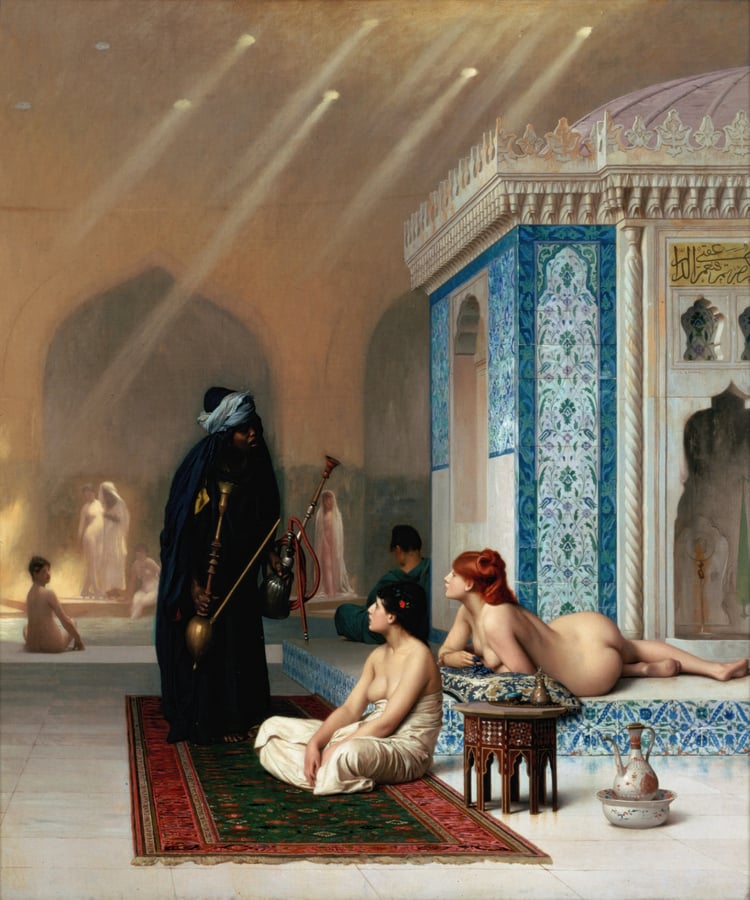
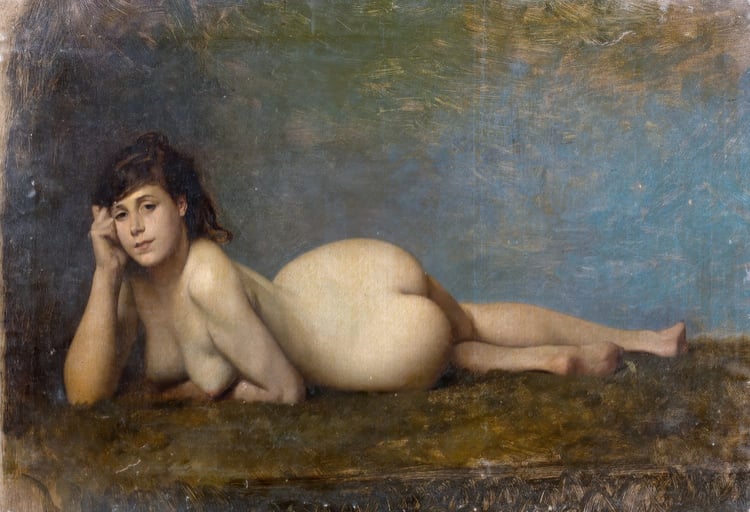
Gérôme was a leading representative of Academicism, combining highly refined drawing, realistic detail, carefully balanced compositions, and polished surfaces. His subjects ranged from classical antiquity and historical events to mythology and Orientalist scenes. Travels to Egypt, Turkey, and the Middle East provided inspiration for many of his paintings, although his Orientalist works also reflect the European imagination and attitudes of the 19th century.
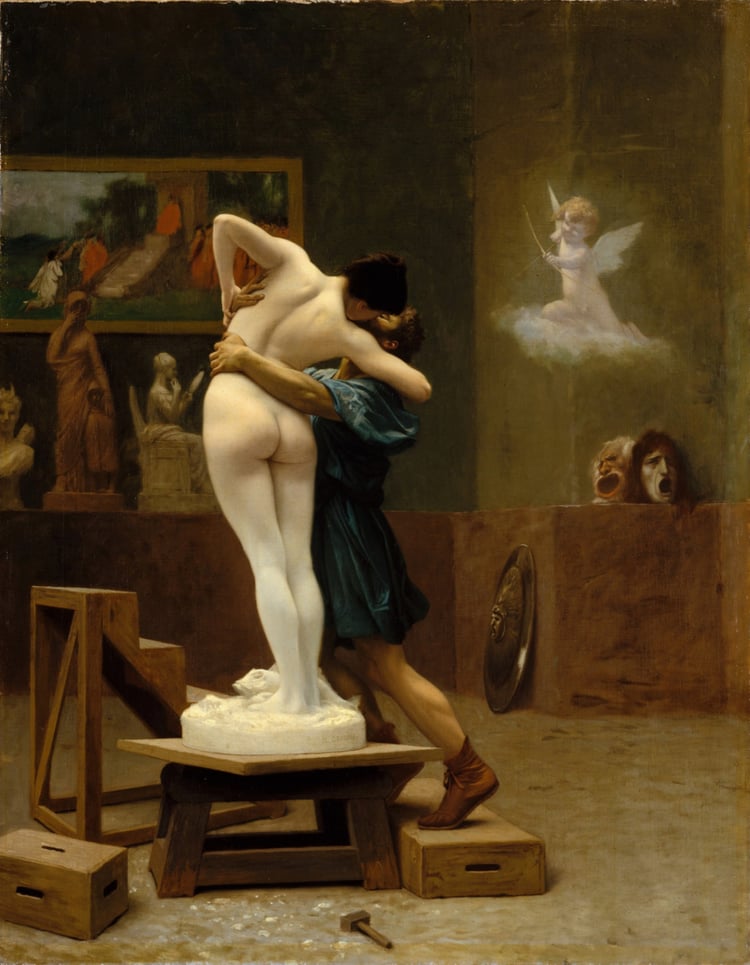
Among his best-known works are The Cock Fight (1846), The Death of Caesar (1867), Pollice Verso (1872), The Snake Charmer (c. 1879), and Pygmalion and Galatea (1890). His dramatic reconstructions of ancient Rome, particularly Pollice Verso, had a lasting influence on later popular images of gladiators and Roman life.
Although Gérôme's academic style fell out of favor with the rise of Impressionism and modern art, his work has since received renewed attention for its extraordinary technical skill, visual storytelling, and important place in 19th-century French art.