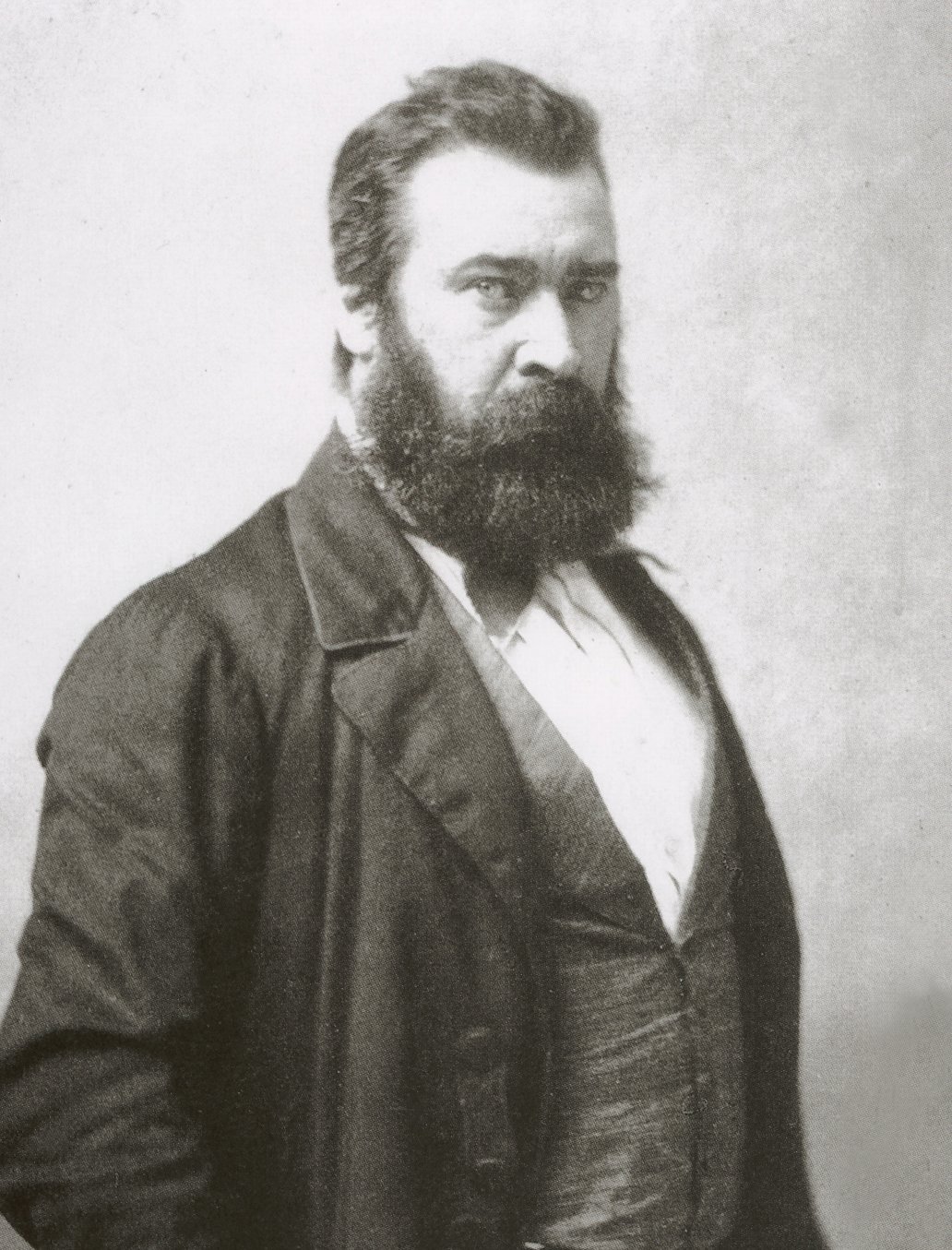
François Millet
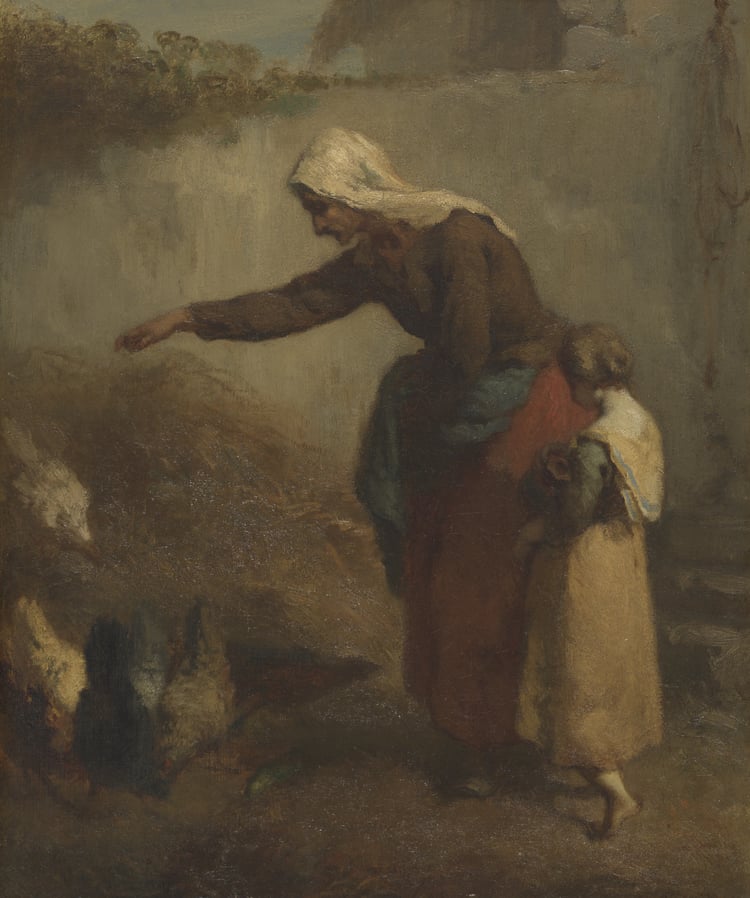
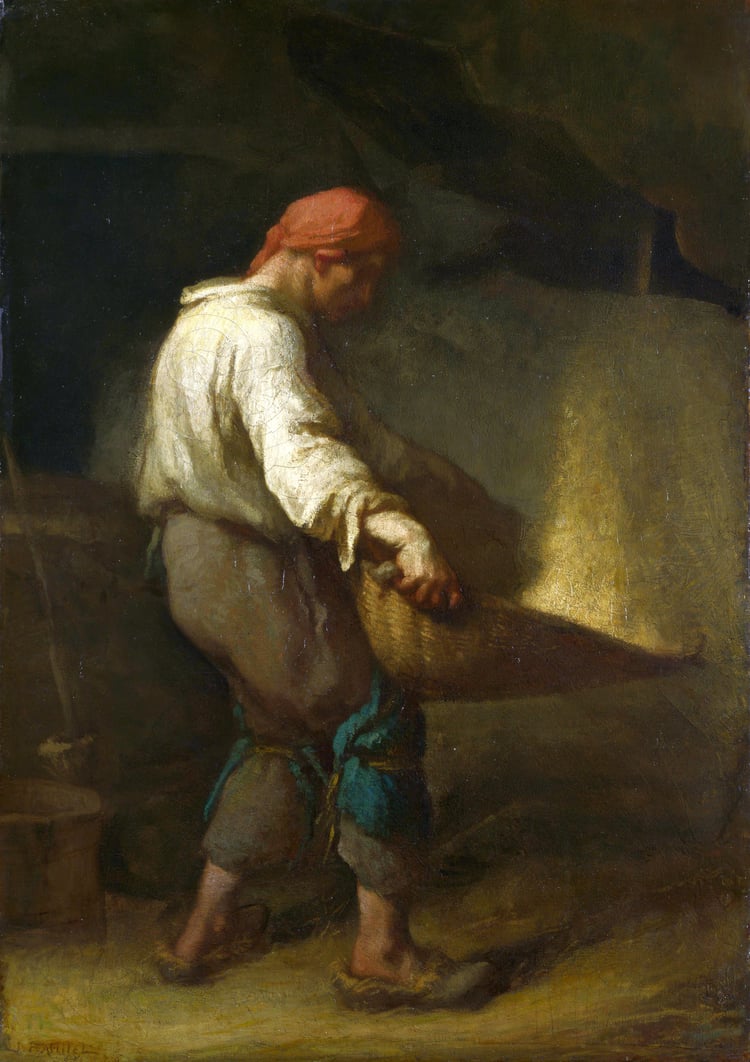
Jean-François Millet (1814–1875) was a French painter and one of the foremost figures of the Realism movement. Born in Gruchy, a small village in Normandy, he grew up in a peasant family and received his first artistic training in Cherbourg. In the early 1840s, Millet moved to Paris, where he initially drew influence from classical painting. However, he later developed his unique style, focusing on ordinary people and rural life, ultimately establishing himself as a leading representative of Realism.
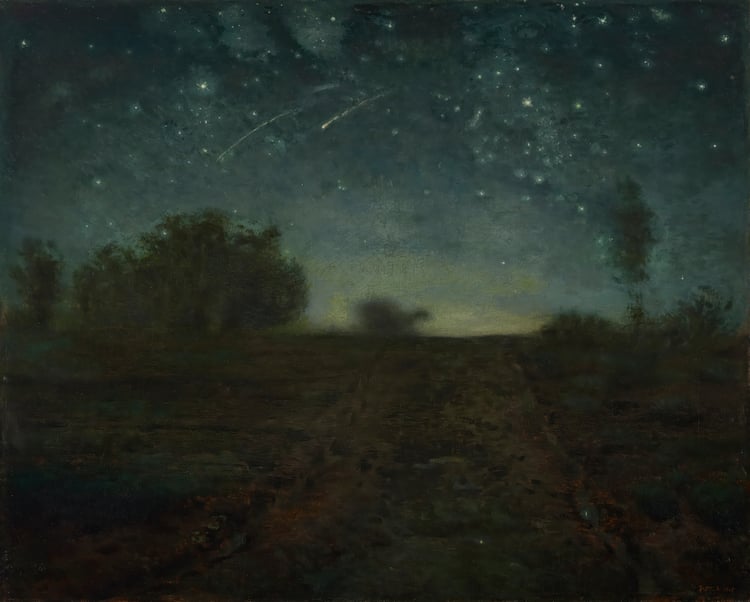
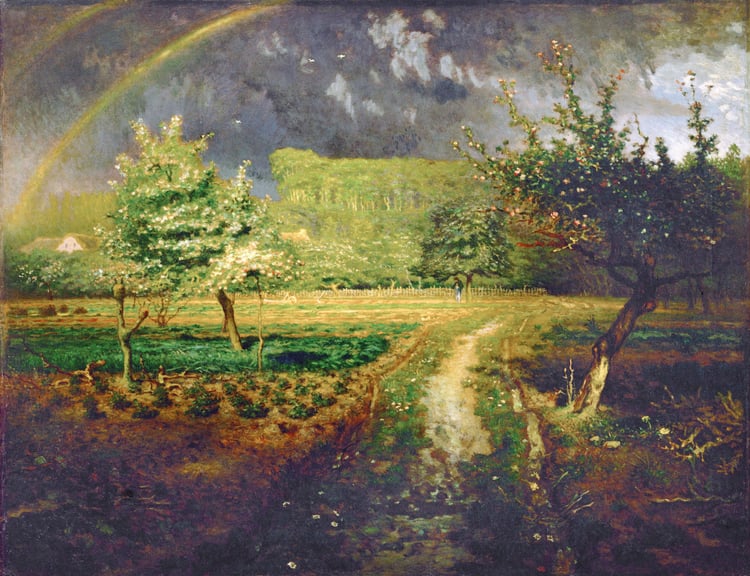
Millet’s works are characterized by their honesty and depth. He portrayed the harsh lives of peasants, highlighting the dignity and strength found in the daily labor of simple people. His color palette is often muted and earthy, creating a straightforward and authentic atmosphere. Typical of Millet’s style is his ability to capture both the physical strain and the spiritual dimension of work. His paintings often exude a quiet melancholy and reverence for life and nature, inviting viewers to deeply appreciate the simplicity of rural existence.
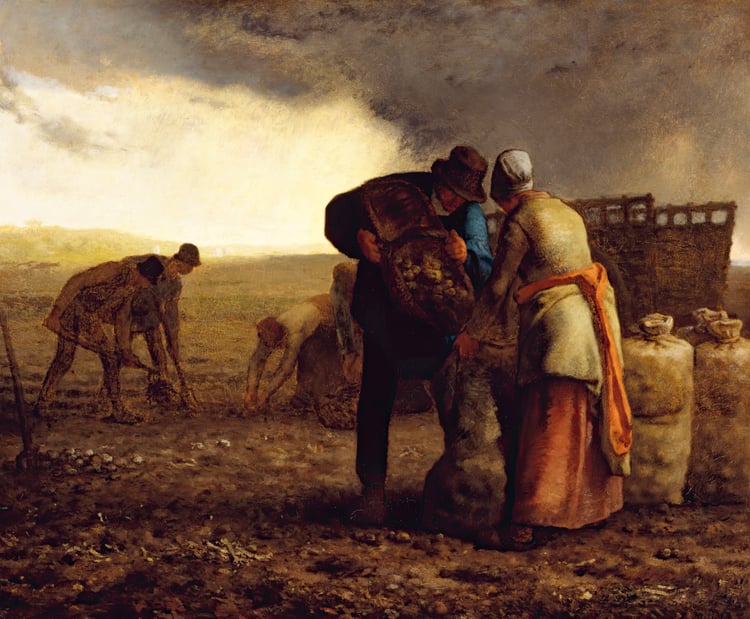
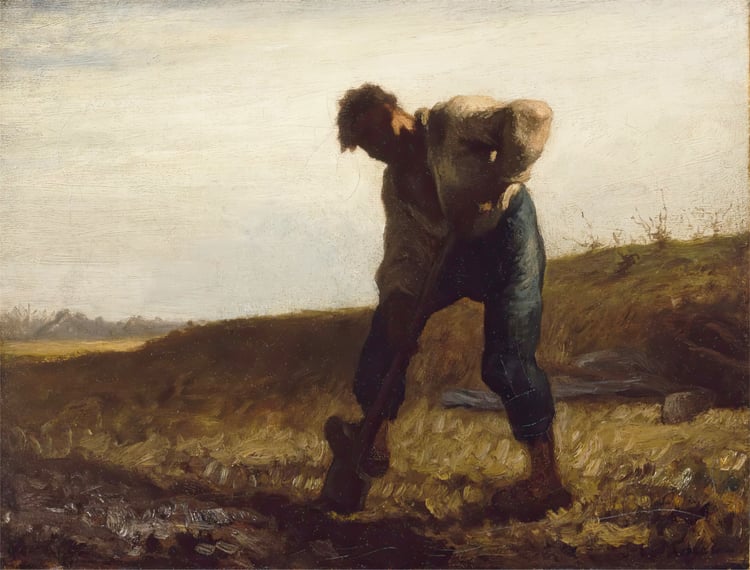
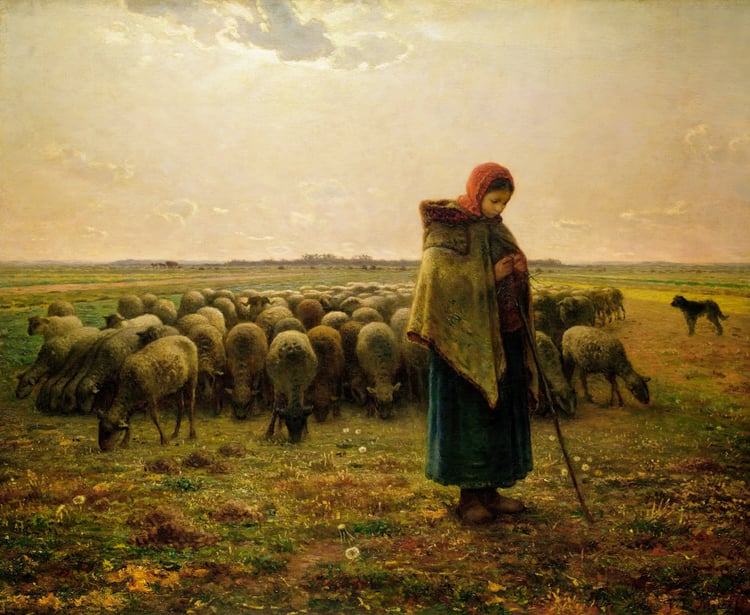
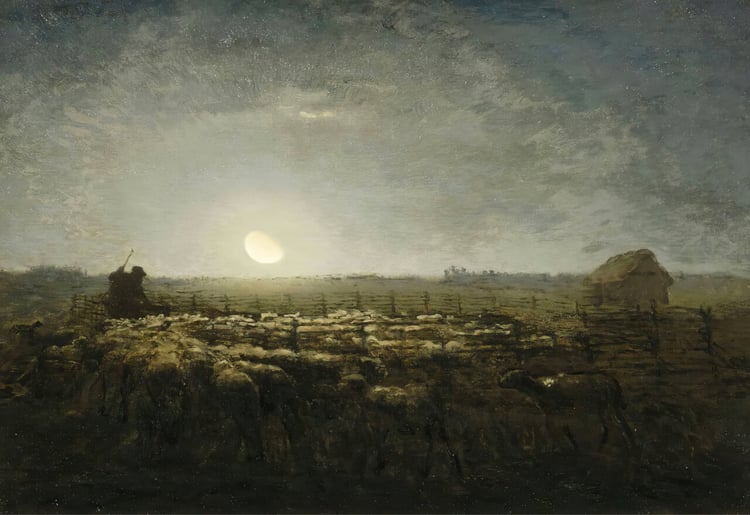
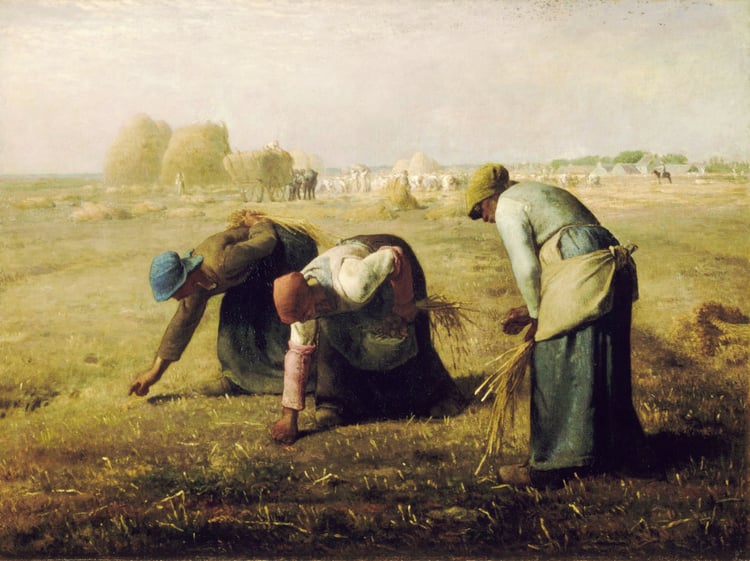
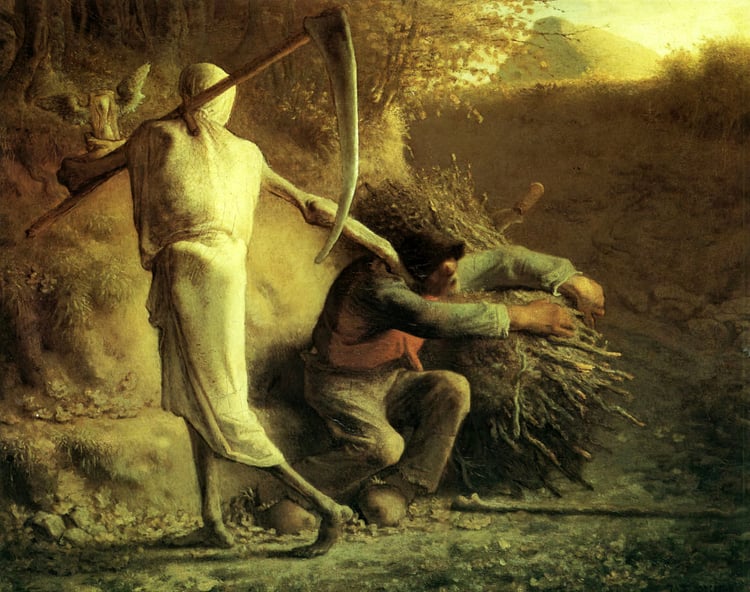
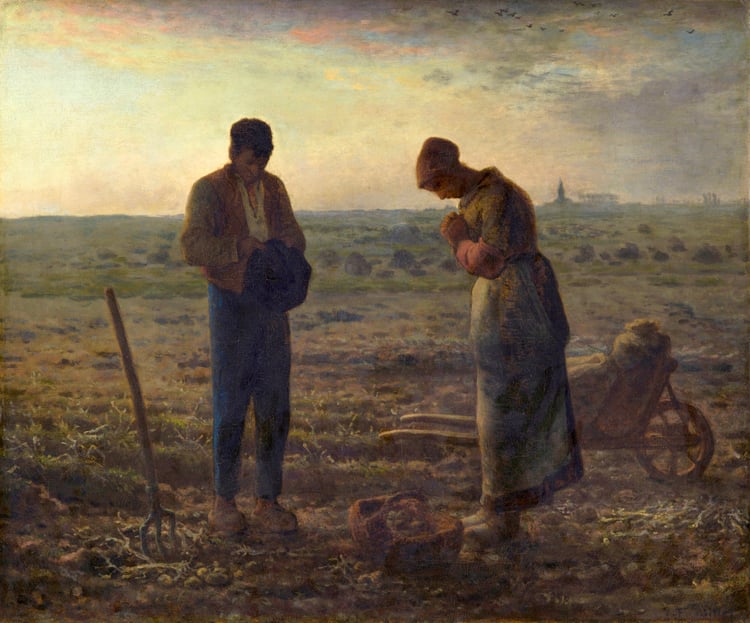
Among his most important works is The Angelus (1857–1859), depicting a praying peasant couple and known for its spiritual aura. In The Gleaners (1857), he portrayed women gathering grain in a field, creating an iconic image of humility and resilience. Death and the Woodcutter (1859) explores the inevitability of death and the hardships of peasant life. The Potato Harvest (1855) and Man Turning over the Soil (1847–1850) depict the labor of fieldwork, conveying a profound connection between humans and the earth. Other works, such as The Sheepfold in Moonlight (1872–1873) and Shepherdess with her Flock (1863), capture the peaceful side of rural life, emphasizing the harmony with nature and the solitude of the shepherd’s life.
Millet’s work greatly influenced subsequent artists, particularly Vincent van Gogh, who admired Millet’s ability to portray the dignity and hardships of rural life. Today, Millet is celebrated as one of the most important painters of the 19th century, who shaped the Realism movement and deepened the appreciation for the beauty and significance of rural life.