Gustave Courbet
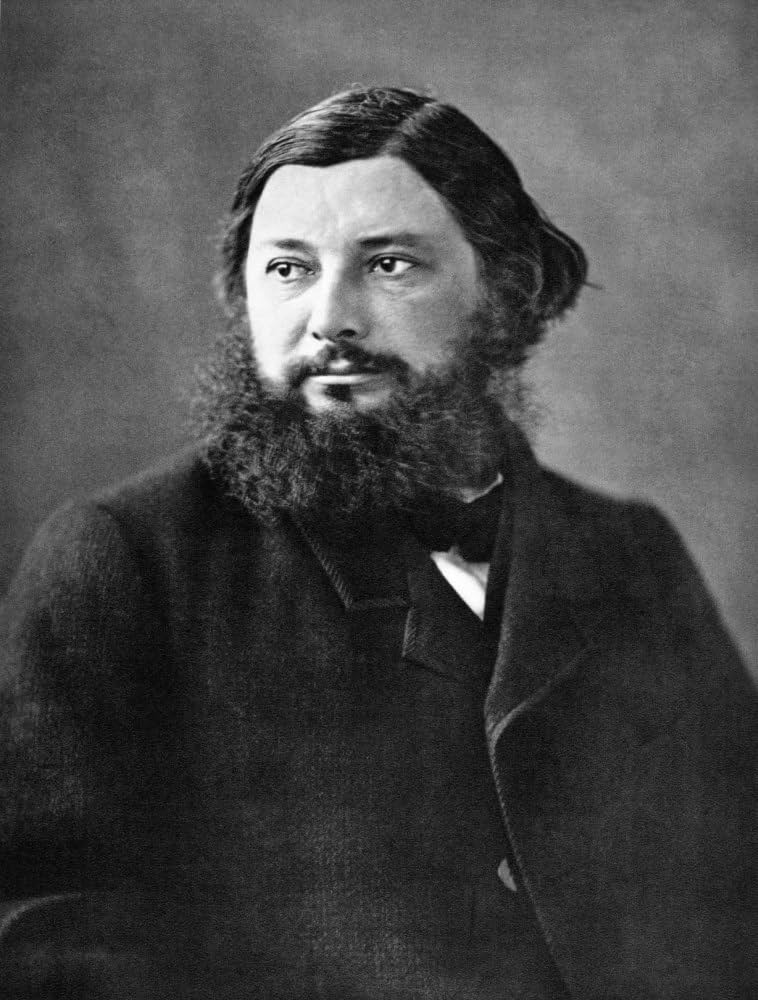
Gustave Courbet was a French painter and one of the most influential figures in the development of Realism in 19th-century European art. Born on June 10, 1819, in Ornans, a small town in eastern France, Courbet grew up in a prosperous farming family. In 1839, he moved to Paris, where he developed his artistic skills largely through independent study, drawing inspiration from the Old Masters, particularly Rembrandt, Velázquez, and Caravaggio.
Courbet became the leading representative of the Realist movement, rejecting the idealized subjects and romanticized imagery that dominated academic painting. Instead, he believed that art should portray the visible world honestly, depicting ordinary people, rural life, landscapes, and everyday experiences without embellishment.
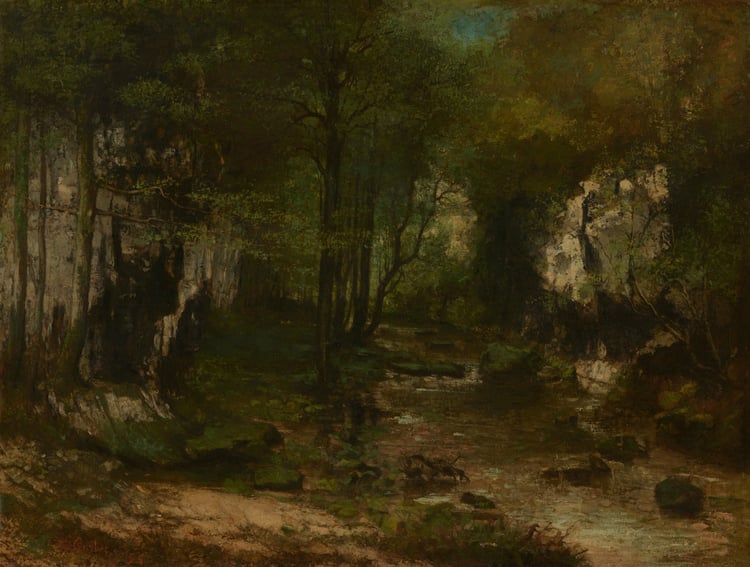
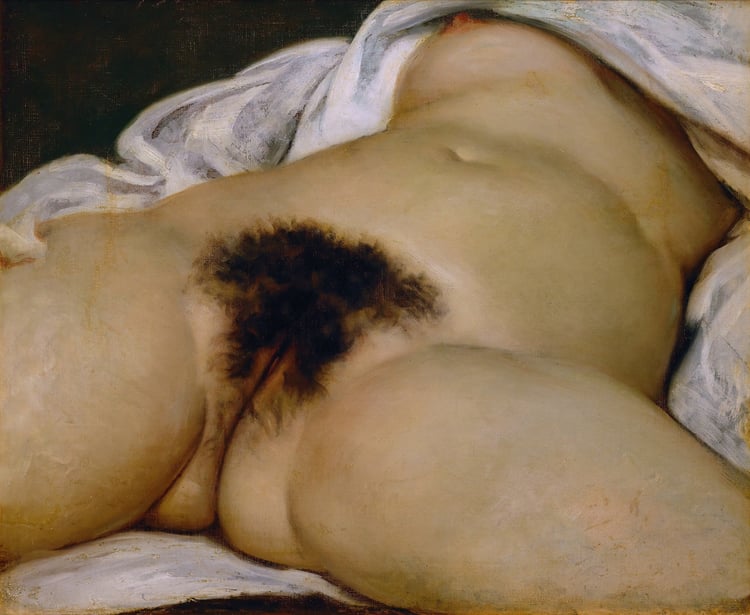
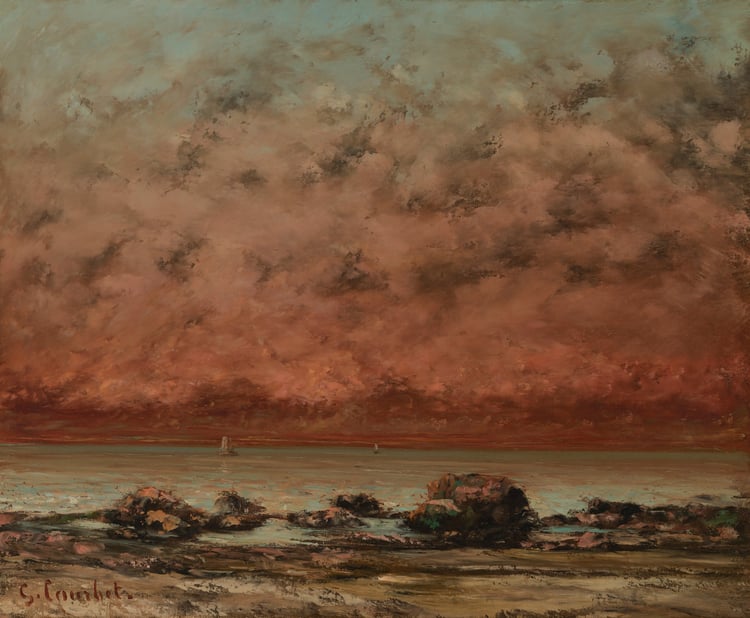
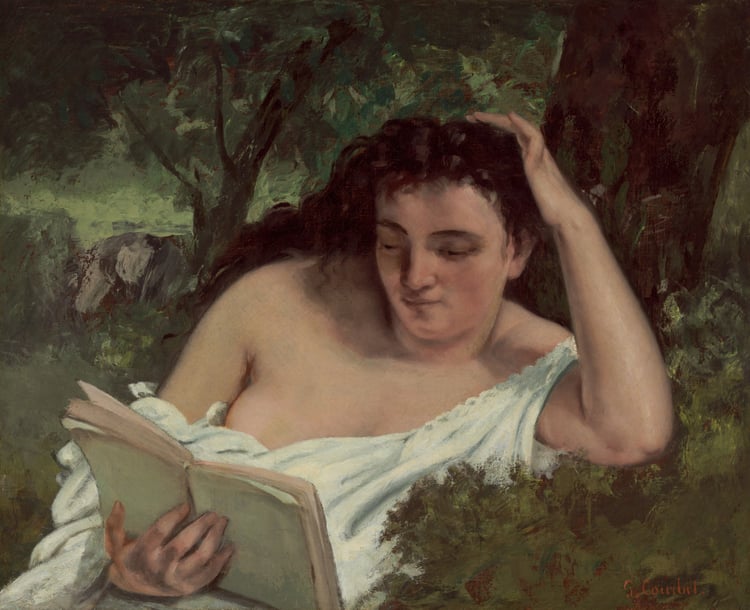
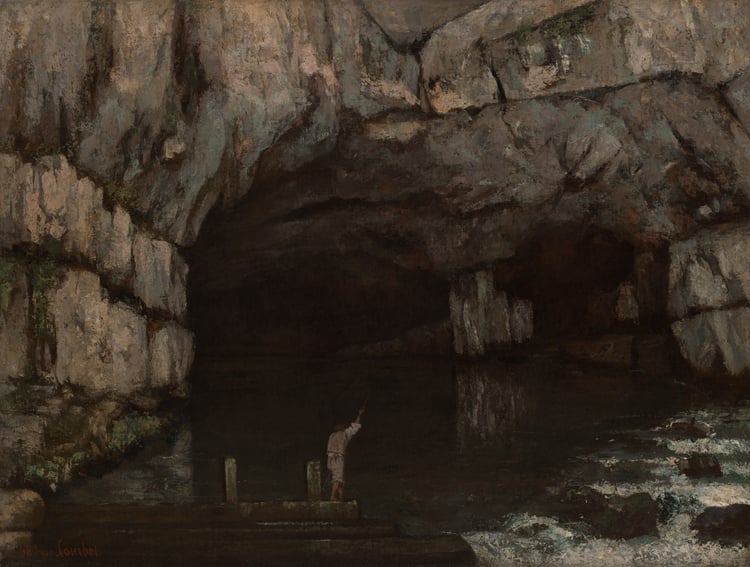
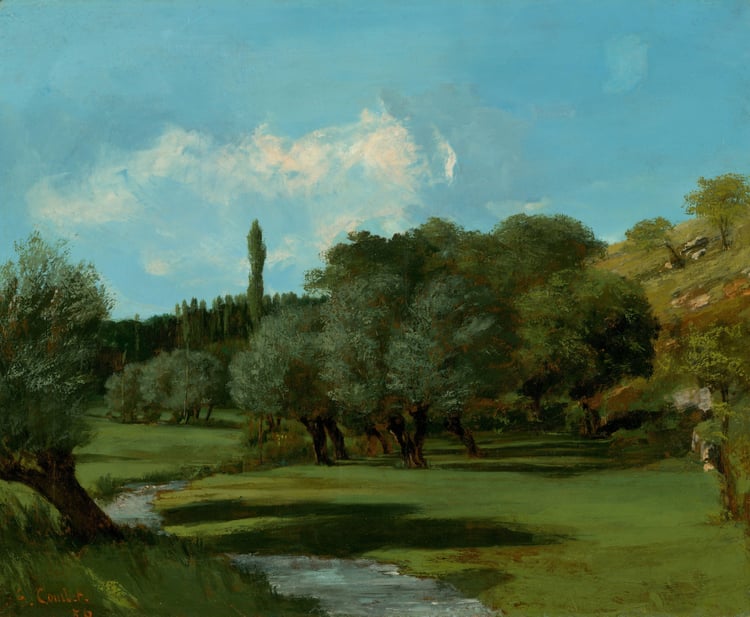
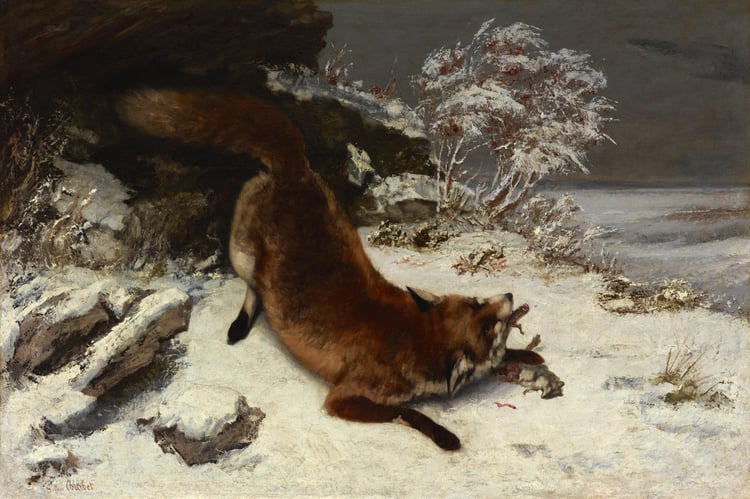
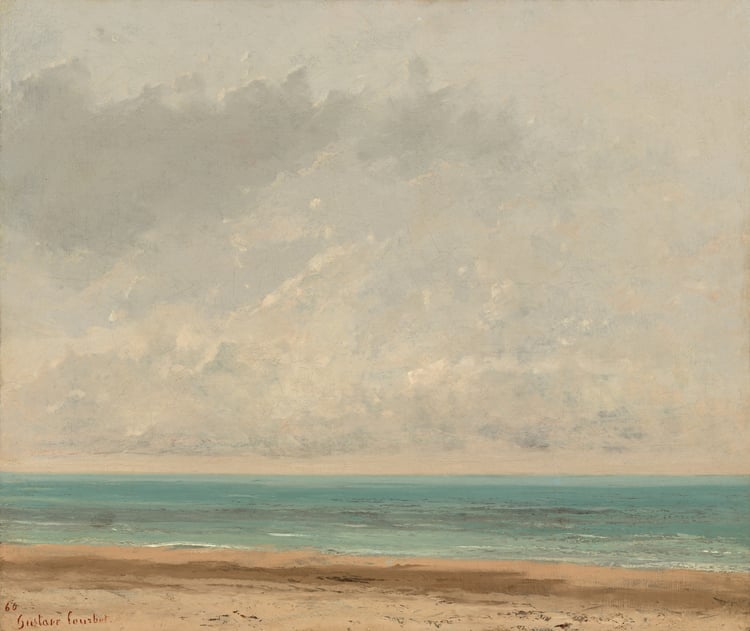
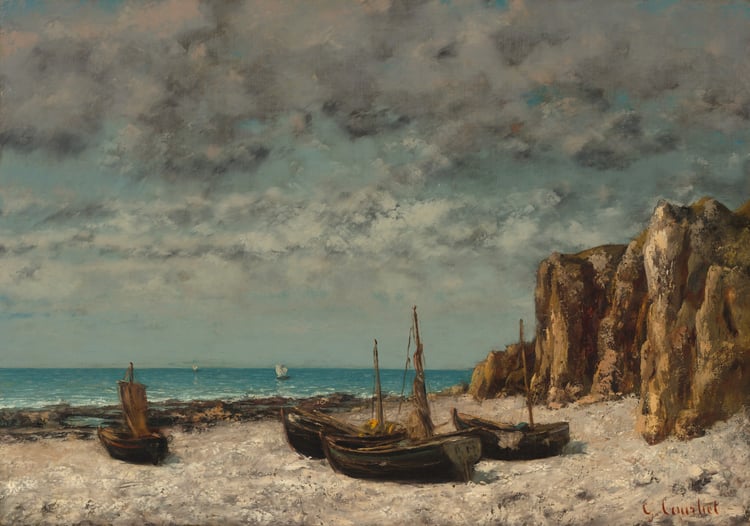
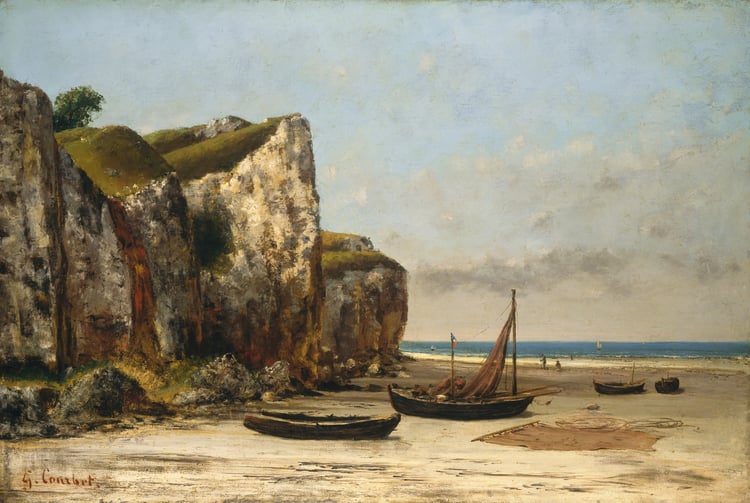
His paintings are characterized by bold brushwork, rich textures, earthy colors, and a remarkable attention to physical reality. Courbet frequently used thick layers of paint and a palette knife to create powerful, almost sculptural surfaces.
His artistic philosophy was revolutionary: he insisted that contemporary life and ordinary working people deserved the same artistic importance traditionally reserved for historical, religious, and mythological subjects.
Courbet was known not only for his artistic innovations but also for his independent spirit and outspoken political convictions. In 1855, after several works were rejected for the Paris Universal Exposition, he organized his own exhibition, the Pavilion of Realism, demonstrating his determination to challenge the established art world.
His involvement in the Paris Commune of 1871 later brought imprisonment and political persecution. He eventually settled in Switzerland, where he died on December 31, 1877.
Courbet's uncompromising commitment to portraying reality transformed European painting. His work helped pave the way for Impressionism and modern art, influencing generations of artists through his expressive technique, artistic independence, and rejection of traditional conventions.